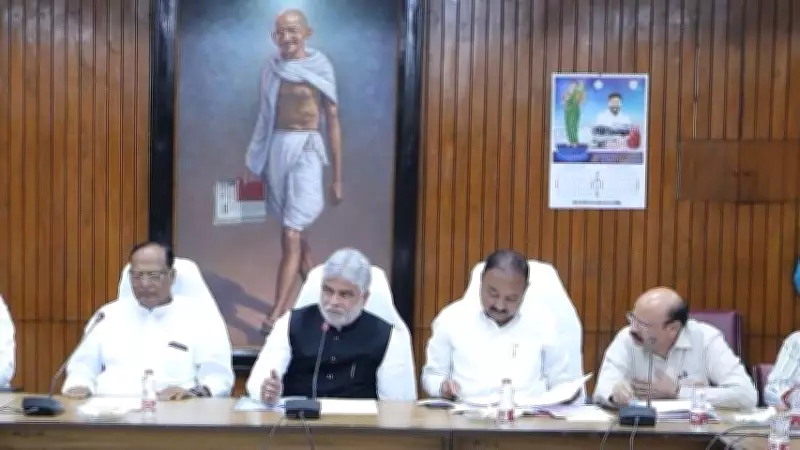
Telangana Assembly Speaker Dismisses Another Disqualification Petition
The political landscape in Telangana continues to witness significant developments as the Assembly Speaker has rejected one more disqualification petition filed against a Member of the Legislative Assembly (MLA). This decision marks a crucial moment in the ongoing legal and political battles within the state.
Growing Tally of Rejected Petitions
With this latest dismissal, the total number of disqualification petitions rejected by the Speaker has now reached eight over the past few days. This series of rejections highlights the Speaker's stance on such matters and underscores the procedural aspects involved in handling these petitions.
The petitions typically arise from allegations of defection or violations of anti-defection laws, which are designed to maintain party discipline and stability in the legislative assembly. The Speaker's role in adjudicating these cases is pivotal, as it involves interpreting constitutional provisions and party regulations.

Context and Implications
The rejections come amid a backdrop of heightened political activity in Telangana, where parties are maneuvering to consolidate their positions. Disqualification petitions are often used as strategic tools in political rivalries, and their outcomes can influence the balance of power in the assembly.
By rejecting these petitions, the Speaker has effectively upheld the status quo, allowing the concerned MLAs to continue their tenure without immediate threat of disqualification. This could have broader implications for:
- Political Stability: Maintaining the current composition of the assembly.
- Legal Precedents: Setting benchmarks for future disqualification cases.
- Party Dynamics: Impacting internal party strategies and alliances.
Observers note that the Speaker's decisions are closely watched, as they reflect the application of anti-defection laws in practice. The rejections might also prompt petitioners to explore other legal avenues, such as approaching higher courts, if they believe the decisions are not in accordance with the law.
Looking Ahead
As the political scenario evolves, stakeholders are keenly observing how these rejections will shape future proceedings. The Speaker's consistent approach in dismissing these petitions suggests a cautious interpretation of the disqualification criteria, which could influence similar cases in other states.
This development is part of a larger narrative in Indian politics, where disqualification petitions have become common tools in legislative conflicts. Understanding these events requires a grasp of both legal frameworks and political strategies at play.