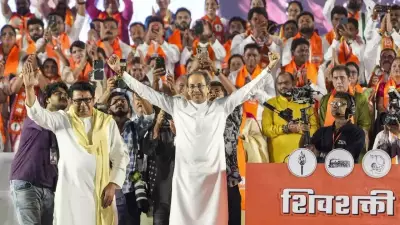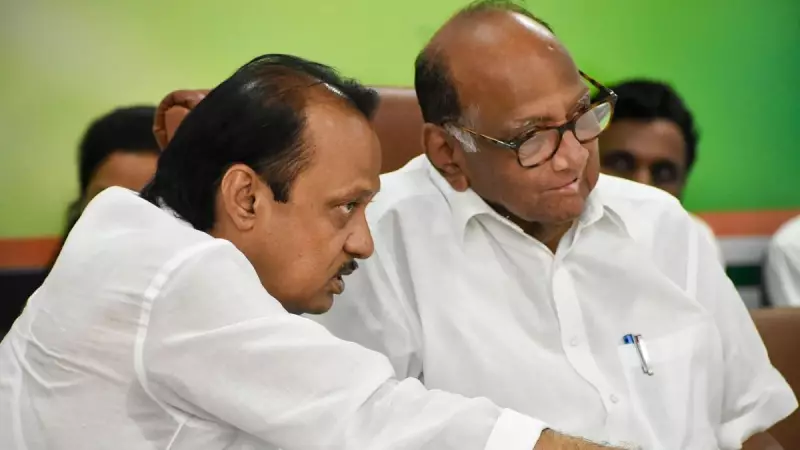
In a significant development that could reshape the political landscape of Maharashtra, the Shiv Sena (Uddhav Balasaheb Thackeray) and the Nationalist Congress Party (Sharadchandra Pawar) have signaled a formal reunion ahead of the crucial upcoming civic body elections. This move marks a major consolidation of opposition forces against the ruling Mahayuti alliance.
The Signals of a Formal Alliance
Top leaders from both parties have confirmed that discussions are actively underway to form a seat-sharing arrangement for the elections to various municipal corporations, councils, and nagar panchayats. The alliance, which previously fought the 2019 state elections together and formed the Maha Vikas Aghadi (MVA) government, had seen a period of separation following the split in both parties. The renewed collaboration is seen as a direct response to the formidable challenge posed by the united front of the Bharatiya Janata Party (BJP), the Eknath Shinde-led Shiv Sena, and the Ajit Pawar-led NCP.
The decision follows a series of meetings between senior functionaries of both parties. Key figures involved in the negotiations include Shiv Sena (UBT) leader Anil Parab and NCP (SP) leader Jayant Patil, among others. The talks are focused on devising a formula for equitable seat distribution to avoid internal conflicts and present a united face to the electorate.
Strategic Imperative for Civic Polls
The immediate trigger for this political realignment is the series of municipal elections scheduled across Maharashtra. These local body polls are often viewed as a barometer of public sentiment and a testing ground for larger political formations. For the Uddhav Thackeray and Sharad Pawar-led factions, contesting separately would mean splitting the anti-incumbency vote, thereby benefiting the ruling Mahayuti coalition.
By joining forces, the Shiv Sena (UBT) and NCP (SP) aim to consolidate their traditional voter bases while appealing to a broader section of the electorate dissatisfied with the current state administration. The alliance is particularly focused on key urban centers like Mumbai, Thane, Pune, and Nashik, where civic control translates to significant political and financial influence. A successful partnership in these polls is crucial for both parties to demonstrate their relevance and organizational strength on the ground.
Implications for Maharashtra's Political Future
The formalization of this alliance extends beyond the immediate civic polls. It signifies the re-solidification of the original MVA core, setting the stage for a more cohesive opposition bloc in the state. This development is likely to influence strategies for future assembly and parliamentary elections.
For the ruling Mahayuti alliance, this reunion presents a more structured and potent challenge. It forces them to counter a combined opposition narrative rather than dealing with fragmented entities. The civic polls will now be a direct contest between two clearly defined coalitions, making the electoral battles more intense and high-stakes.
This political maneuvering underscores the fluid and dynamic nature of Maharashtra's politics, where alliances are constantly negotiated and renegotiated based on electoral calculus. The coming together of Thackeray and Pawar, two stalwarts with formidable grassroots networks, is poised to heat up the political climate in the state. The success of their seat-sharing talks and the eventual performance in the civic polls will be closely watched as an indicator of the shifting balance of power in India's second-most populous state.