Thackeray Cousins Maintain Grip on Marathi Heartland Despite Mahayuti Surge
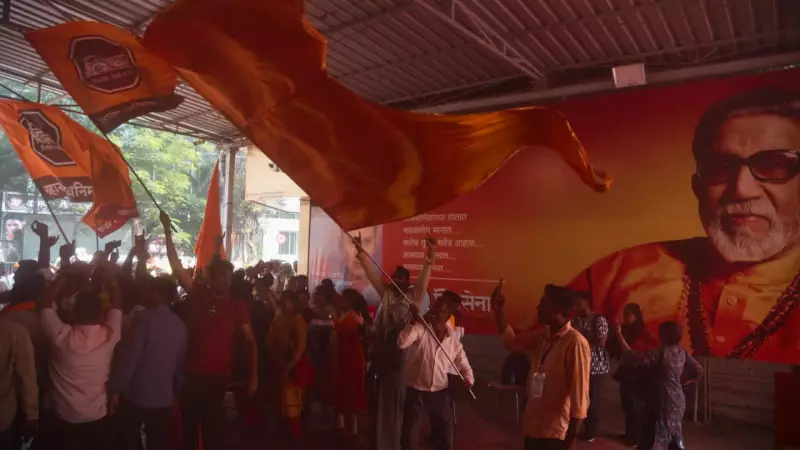
The Thackeray cousins have successfully held onto their traditional Marathi heartland in Mumbai. This happened during the recent Brihanmumbai Municipal Corporation elections. The Shiv Sena (UBT) and Maharashtra Navnirman Sena alliance managed to secure a total of 71 seats out of 227. Their performance demonstrated resilience in core areas but also revealed significant challenges.
Alliance Secures Limited Wins in Key Contest
The Sena (UBT) and MNS alliance faced a tough battle against the Mahayuti coalition. They achieved a strike rate of approximately 32 percent. This result shows they defended their bastions effectively. However, regaining full control of Mumbai's civic body remains a distant goal for the alliance.
Traditional Strongholds Remain Loyal
Central and South Mumbai witnessed strong support for the Thackeray-led faction. These areas are widely recognized as the party's Marathi heartland. Voters here displayed continued loyalty by backing Sena (UBT) candidates once again. The alliance won the majority of roughly 20 key wards in the central belt.

This central belt includes important neighborhoods like Dadar-Mahim, Worli, Sewri, and Lalbaug-Parel. Success in these historically significant Marathi-dominated areas prevented the Shinde Sena from establishing a strong foothold. The results underline the enduring connection between the Thackeray family and these localities.
High-Profile Candidates Deliver Victories
The party fielded several senior leaders in crucial wards. Former mayors Kishori Pednekar, Vishakha Raut, and Milind Vaidya all won their respective contests. Their victories demonstrated that established leaders continue to command strong support in Central Mumbai. This factor played a key role in the alliance's performance.
Fierce Electoral Battles in Central Mumbai
Central Mumbai became the epicenter of intense political competition. In Dadar-Mahim and Worli, high-stakes contests unfolded. Shinde Sena candidates Samadhan Sarvankar and Priya Sarvankar faced defeat. They lost to Sena (UBT) representatives Nishikant Shinde and Vishakha Raut respectively.
Mahayuti managed to secure only a couple of seats in these hotly contested areas. The fierce battles highlighted the deep political divisions within the city. They also showcased the determination of both sides to win these symbolic constituencies.
Struggles Beyond Core Voter Base
The alliance encountered significant difficulties outside Marathi-dominated areas. In neighborhoods with mixed populations or non-Marathi majorities, their impact remained limited. This weakness highlighted the challenge of expanding support beyond traditional voters. It revealed a clear geographic limitation in their appeal.
Party defections created additional obstacles before the elections. MNS corporator Santosh Dhuri joined the Bharatiya Janata Party. Former Sena (UBT) MLA Dagdu Sakpal moved to the Shinde Sena. These switches posed serious challenges for the alliance during the campaign period.
Internal Conflicts and Resilience
Internal rebellions emerged in key wards due to ticket distribution issues. In Worli, four out of six wards experienced conflicts. These arose because tickets favored family members of UBT leaders. Despite these organizational challenges, the alliance retained most seats in these areas.
This resilience demonstrated the strength of their ground-level organization. It also showed the loyalty of their core supporters even when internal disputes surfaced publicly.
Strategic Importance of Assembly and Lok Sabha Seats
The alliance's previous victories in parliamentary and state constituencies proved crucial. Sena (UBT) had won the South Mumbai Lok Sabha seat. They also held assembly seats in Worli, Sewri, and Dadar-Mahim. Winning BMC wards in these same areas became essential for maintaining political influence.
The party largely succeeded in this strategic objective. Mahayuti managed only minor gains in these critical zones. This outcome reinforced the connection between different levels of electoral politics in Mumbai.

Overall Assessment of Election Results
The UBT-MNS combine successfully defended its Marathi heartland against a strong challenge. However, they struggled to make inroads elsewhere in the city. Mahayuti made some gains but failed to break the Thackeray grip on traditional strongholds.
The elections ultimately underlined the alliance's continued reliance on traditional voters. They also highlighted the difficulty of expanding influence across Mumbai's diverse neighborhoods. The results set the stage for future political realignments in India's financial capital.