In a significant political maneuver, West Bengal's ruling Trinamool Congress has initiated a comprehensive organizational restructuring, signaling the party's preparation for the crucial 2026 state assembly elections. The reshuffle encompasses key appointments across multiple districts and introduces substantial changes to the party's leadership framework.
Strategic District-Level Appointments
The reorganization features prominent leadership changes with several heavyweight politicians receiving new responsibilities. Former minister and senior TMC leader Chandranath Sinha has been appointed as the president of Birbhum district, replacing the controversial Anubrata Mondal. This move is particularly significant given the district's political importance and recent developments.
Similarly, other key districts witnessed leadership transitions. Tapas Roy, previously the party's deputy leader in the assembly, has taken charge as the working president of the Kolkata organizational district. The party also appointed new district presidents for Murshidabad, Cooch Behar, and Uttar Dinajpur, indicating a widespread restructuring across the state.

Strengthening Organizational Framework
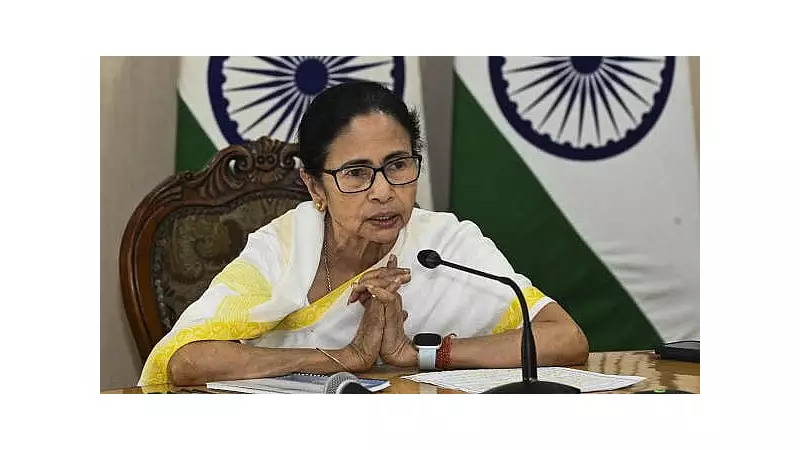
The TMC's reorganization extends beyond mere personnel changes. The party has established several new organizational districts, including Bhabanipur, which represents Chief Minister Mamata Banerjee's assembly constituency. This strategic division aims to enhance grassroots connectivity and streamline party operations.
Additional organizational districts have been created in key areas such as Shantipur, Ranaghat, Kalyani, and Keshpur, reflecting the party's focus on strengthening its presence in both urban and rural constituencies ahead of the electoral battle.
National Perspective and Future Implications
While the immediate focus remains on West Bengal's political landscape, the timing of this reorganization carries national significance. With the TMC positioning itself as a formidable opposition force at the national level, these structural changes in its home state could have broader implications for Indian opposition politics.
The party has also appointed new observers for its units in Delhi, Maharashtra, and Bihar, indicating a dual strategy of consolidating power in West Bengal while expanding its national footprint. This balanced approach suggests the TMC's ambition to play a more substantial role in national politics while safeguarding its home turf.
Political analysts view this comprehensive reorganization as the TMC's proactive measure to address internal challenges, streamline organizational hierarchy, and position the party optimally for the 2026 electoral contest. The changes reflect the party leadership's recognition of the need for structural reforms to maintain its political dominance in the state.