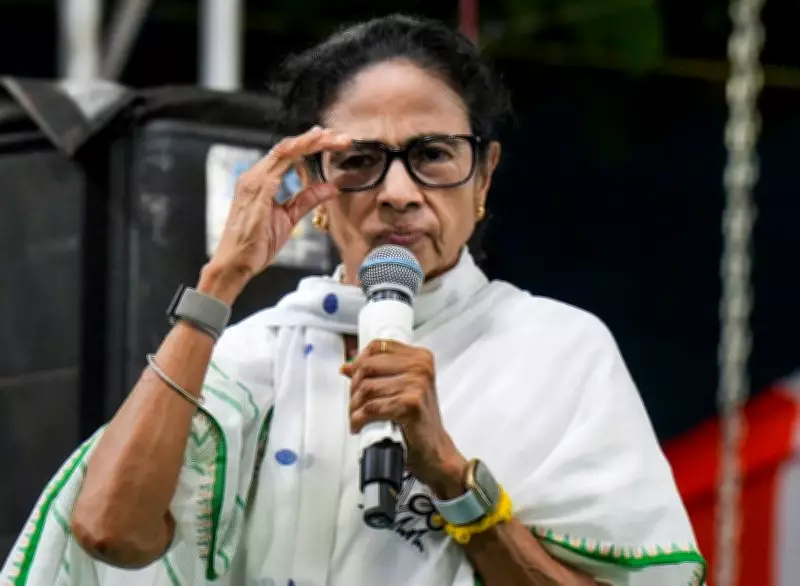
In a significant political development, Trinamool Congress (TMC) Bengal unit chief Chandrima Banerjee has resigned from all party posts, dealing another blow to former West Bengal Chief Minister Mamata Banerjee. Chandrima, who was appointed state unit chief on June 3, submitted her resignation in a letter to Mamata, stepping down as the party's authorized representative at the Election Commission of India and as a signatory for all bank-related purposes.
Resignation Amidst Party Turmoil
Chandrima Banerjee's resignation comes on the heels of a series of exits from the TMC following its defeat in the state assembly elections and subsequent splits within the party's legislative and parliamentary wings. The move underscores the deepening crisis within the TMC, which has been grappling with internal dissent and a shrinking support base.
According to sources, Chandrima's decision was driven by personal reasons, but political analysts view it as a symptom of the broader disarray in the party. The TMC has seen several high-profile resignations in recent weeks, including those of former ministers and MLAs, who have either joined rival parties or retired from active politics.

Impact on TMC’s Organizational Structure
Chandrima Banerjee’s departure leaves a critical void in the TMC’s Bengal leadership. As state unit chief, she was responsible for coordinating party activities, managing cadre, and representing the party before the Election Commission. Her resignation as the authorized EC representative means the TMC will need to appoint a new face to handle electoral and banking matters.
The TMC, which ruled West Bengal for over a decade, suffered a major setback in the 2026 state polls, losing to the Bharatiya Janata Party (BJP) amid allegations of corruption and administrative failures. Since then, the party has been struggling to retain its base, with several leaders switching allegiance.
Mamata Banerjee’s Leadership Under Scrutiny
The resignation is seen as a direct challenge to Mamata Banerjee’s leadership. Once considered an indomitable force in Bengal politics, Mamata now faces questions about her ability to hold the party together. The TMC supremo has been trying to consolidate the party by reaching out to grassroots workers, but the exodus of key figures suggests deep-rooted discontent.
Political observers note that Chandrima Banerjee, a loyalist of Mamata, was appointed to stabilize the state unit. Her resignation indicates that even trusted lieutenants are losing confidence in the party’s future.
What’s Next for TMC?
The TMC is expected to announce a new state unit chief soon, but the party’s immediate challenge is to stem the tide of resignations and rebuild its organizational machinery. With the next general elections due in 2027, the TMC must act swiftly to regain momentum.
Meanwhile, the BJP has seized on the development, calling it a sign of the TMC’s impending collapse. “The TMC is crumbling from within. Mamata Banerjee’s arrogance has cost the party its credibility,” said a BJP spokesperson.
Chandrima Banerjee’s resignation adds to the list of setbacks for Mamata, including the loss of power, defections, and now the exit of a key organizational head. Whether the TMC can recover remains to be seen.