From Grief to Political Resolve: The Turban That Toppled a Chief Minister
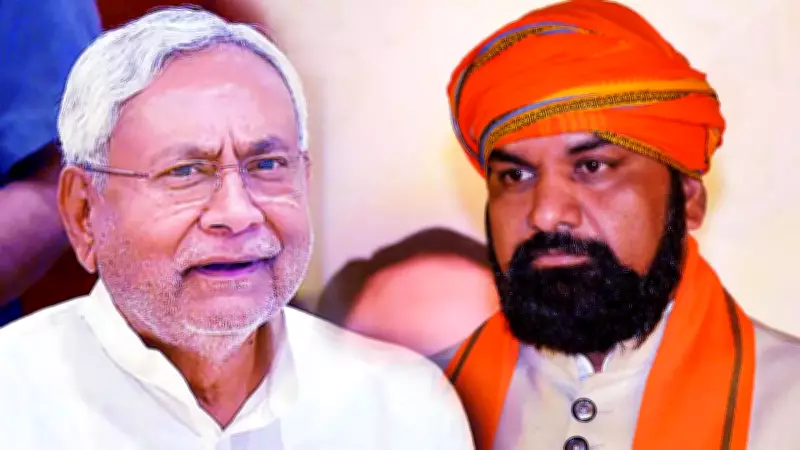
In the intricate tapestry of Bihar's political landscape, a simple piece of cloth wrapped around a leader's head has emerged as a powerful symbol of determination and eventual triumph. Samrat Choudhary, once recognized for his trademark "pagadi" or turban, has achieved what many considered improbable: replacing Nitish Kumar, who governed Bihar for over two decades with an aura of invincibility.
The Origin of a Symbolic Pledge
The story begins in September 2022, a month after Nitish Kumar broke away from the National Democratic Alliance for the second time, forming a new government with the Grand Alliance. During this period of political upheaval, Samrat Choudhary's mother, Parvati Devi—a former legislator—passed away after a prolonged illness. Initially, Samrat wore the turban as a traditional mark of grief and mourning.
However, this personal gesture soon transformed into a public statement. Samrat began projecting the turban as a symbol of protest against what he termed Nitish Kumar's "betrayal" in switching alliances. He took a solemn vow to continue wearing the pagadi until he succeeded in removing Nitish from the chief minister's chair, embedding the accessory into his political identity.

A Confrontation in the Legislative Council
The significance of this symbolic act came to the forefront in July 2023, when Nitish Kumar, then leading the Grand Alliance government, directly questioned Samrat during a session of the legislative council. "Why do you wear the turban on your head?" Nitish inquired, prompting a response that would resonate throughout Bihar's political circles.
Samrat later recounted the exchange to media, stating: "I told him I have taken a vow to remove him from the throne and then the pagadi will get removed the day you are dethroned. I said I also seek your blessing for fulfilling my wish." He emphasized his commitment with the Hindi phrase: "Aapko jis din mukhyamantri pad se hataunga, usi din yah pagadi khulega" (The day I remove you from the chief minister's post, that same day this turban will come off).
The Curious Twist and Fulfillment
In a development that added layers to this political narrative, Nitish Kumar returned to the NDA fold about six months later. Despite this realignment, Samrat Choudhary continued to wear his turban, sparking widespread speculation about his intentions and the vow's status.
The resolution came in a deeply symbolic manner. Amid persistent media queries, Samrat visited the Ram temple in Ayodhya, where he performed a holy dip in the Saryu River. There, he removed the turban and offered it, declaring the fulfillment of his vow regarding the Bihar chief minister—who had by then already rejoined the NDA.
Legacy of a Political Symbol
Although Samrat ceased wearing the turban after this ritual, it remained a subject of intense discussion, given how prominently he had carried it for months as a visible emblem of his political resolve. Whether viewed as coincidence, fate, or strategic symbolism, the leader who vowed to unseat Nitish Kumar has seen his objective realized.
Adding an ironic footnote to this saga, it was Nitish Kumar himself who later endorsed Samrat Choudhary's leadership during the latter's Samriddhi yatra in Bihar, urging public support for him. This endorsement underscores the complex, often unpredictable dynamics of Bihar politics, where alliances shift and symbols acquire profound meanings.
The tale of Samrat Choudhary's turban transcends mere political maneuvering; it represents how personal conviction, when woven into public symbolism, can shape political destinies. In a state known for its volatile political climate, this story highlights the enduring power of vows and the symbols that embody them.