Twenty20 Party in Turmoil as Members Revolt Over NDA Alliance Decision
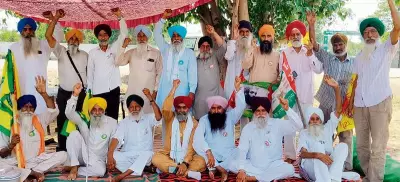
In a dramatic turn of events in Kochi, the Twenty20 party led by Sabu Jacob has been plunged into crisis just hours after announcing its alliance with the National Democratic Alliance (NDA). The decision has sparked immediate dissent and protests from party members and supporters, who claim the move was made unilaterally without any internal discussions, directly contradicting the party's longstanding principle of maintaining political independence by not aligning with any established political fronts.
Key Resignations and Public Backlash
At a press conference held in Kollenchery on Friday, three prominent members publicly announced their resignations from Twenty20. The dissenting leaders include former Vadavucode block president Raseena Pareed, former Aikaranad panchayat member Jeel Mavelil, and former Mazhuvannoor panchayat coordinator Renju Pulinchodu. In a significant political shift, all three declared their intention to join the Congress party, citing their disillusionment with Jacob's leadership and the undemocratic nature of the alliance decision.
Raseena Pareed emphasized that the possibility of joining the Bharatiya Janata Party (BJP)-led NDA was never discussed within party forums. "Sabu Jacob took this decision entirely on his own," she stated unequivocally. "He had previously assured us that he would never align with either the right or left political spectrums, and if such a situation ever arose, he would dissolve the party instead." Pareed further warned that more members are likely to follow their example and leave Twenty20 in the coming days.

Political Reactions and Strategic Implications
The political fallout has drawn immediate responses from both major fronts in Kerala. Leaders from the United Democratic Front (UDF) and the Left Democratic Front (LDF) have openly welcomed the dissenters, expressing readiness to accept them into their respective coalitions. This development could potentially alter local political equations in several panchayats where Twenty20 has established its presence.
In response to the growing internal crisis, Sabu Jacob attempted to downplay the significance of the resignations, suggesting that such disagreements are inevitable when new political alliances are formed. However, the scale and public nature of the protest indicate deeper dissatisfaction within the party ranks.
Twenty20's Current Political Standing
Despite the internal turmoil, Twenty20 maintains significant political influence in several local bodies. The party currently holds a majority in the Kizhakkambalam and Aikkaranadu panchayats and has successfully retained control of the Pookattupady and Kizhakkambalam divisions within the Vazhakkulam block.
However, the party has faced setbacks in other areas, losing its majority in Kunnathunadu and Mazhunvannoor panchayats. Twenty20 continues to maintain a strong presence in several other panchayats including Poothrikka, Vadavucode-Puthencruz, Thiruvaniyoor, and Vengola. Notably, the party has also made inroads into urban governance by opening an account in the Thrikkakara municipality.
The current crisis raises serious questions about Twenty20's future trajectory and whether the party can maintain its organizational cohesion while navigating its new alliance with the NDA. The coming days are likely to reveal whether this internal revolt represents isolated discontent or the beginning of a more significant exodus from the party.