

In a significant political arrangement, the United Democratic Front (UDF) alliance partners, the Congress and the Indian Union Muslim League (IUML), have agreed to share the presidency of the Kozhikode district panchayat by equally splitting the five-year term. This pact marks a historic moment as it is the first time the UDF has gained control of this local governing body in Kozhikode.
Details of the Power-Sharing Agreement
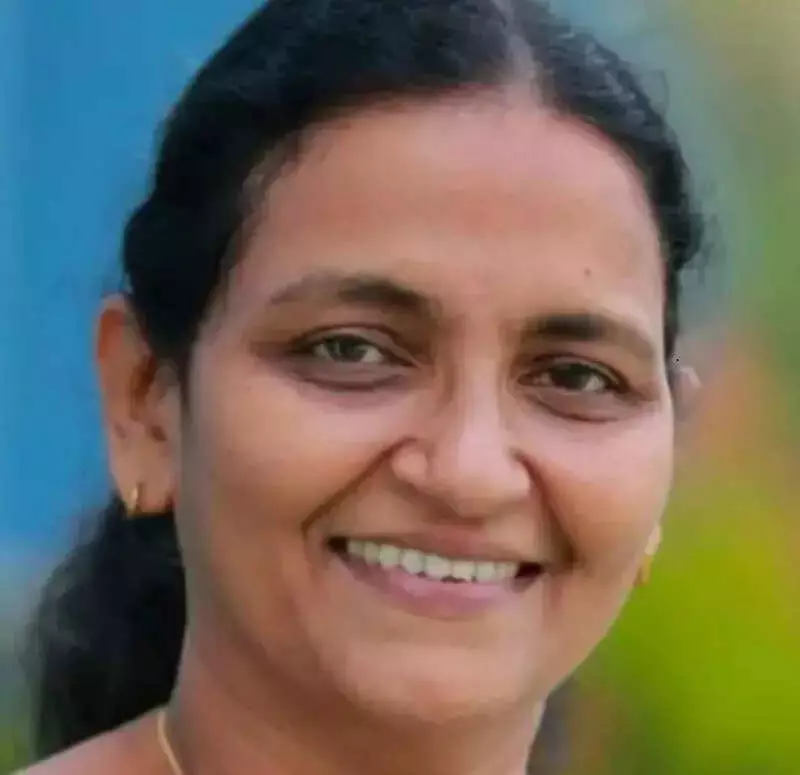
The agreement stipulates that each party will hold the president's post for a period of two and a half years. Congress nominee Mili Mohan will assume the presidency for the first term. Mili Mohan, who represents the Kodenchery division, was elected this time with an impressive majority of 6,822 votes. She brings prior experience, having served as a district panchayat member during the 2005–10 term.
District Congress Committee (DCC) president K Praveen Kumar confirmed the arrangement, stating that the IUML nominee will take over the presidency after the completion of the Congress term. This decision comes in the wake of the UDF securing a slender majority in the 28-member district panchayat, winning 15 seats against the Left Democratic Front's (LDF) 13.

Parallel Arrangement in Kozhikode Corporation
The spirit of cooperation extends to the Kozhikode Corporation as well, where the Congress and IUML have an equal number of councillors. To ensure smooth governance, the UDF has decided to share the parliamentary party leader's post in the civic body. Congress councillor-elect Manakkal Sasi from Mankavu ward has been chosen as the Congress parliamentary party leader within the corporation.
K Praveen Kumar further elaborated that the Congress would seek standing committee chairperson posts in proportion to its strength in the corporation. He also took a firm political stance, making it unequivocally clear that the party would neither seek nor accept any support from the Bharatiya Janata Party (BJP) for its operations in the corporation.
Political Implications and Future Outlook
This power-sharing model underscores the collaborative strategy within the UDF to manage its hard-won majority in key local bodies. The deal for the district panchayat presidency ensures both major allies have a stake in the administration, potentially stabilizing the coalition. The clear demarcation of terms aims to prevent internal friction and present a united front.
The UDF's victory in the Kozhikode district panchayat is a notable shift in the local political landscape. Meanwhile, the arrangements in both the district panchayat and the city corporation highlight a pragmatic approach to coalition politics, where post-election alliances are carefully negotiated to reflect the strength and contributions of each partner.






