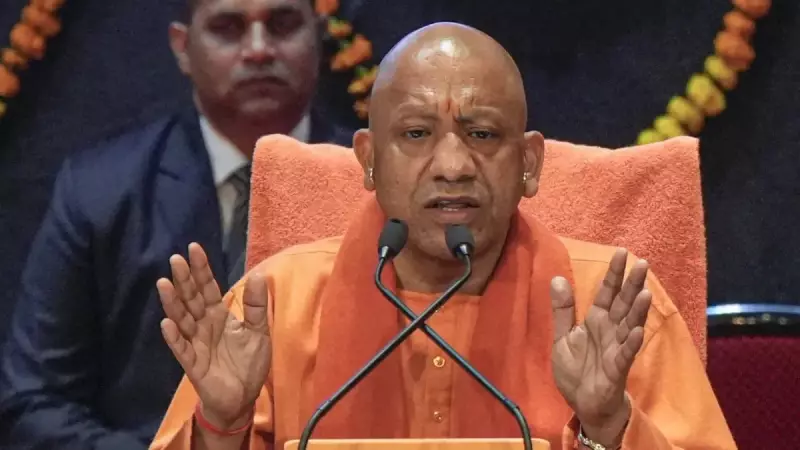
The Uttar Pradesh government, led by Chief Minister Yogi Adityanath, has taken a decisive step to position the state as a premier investment destination. In a significant cabinet meeting held on Tuesday, the state administration approved a total of 13 key proposals spanning various sectors, with a major focus on attracting high-value investments in electronics and semiconductor manufacturing.
Major Push for Semiconductor and Electronics Manufacturing
The centerpiece of the cabinet's decisions is the approval of a revised policy offering substantial incentives for semiconductor and display fabrication units. Recognizing the strategic importance of this sector, the government has cleared a proposal to provide capital subsidies and other financial benefits to attract global and domestic players. This move is directly aligned with the central government's ambitious 'India Semiconductor Mission' and aims to capture a significant share of the growing global demand for chips and electronic components.
The new Standard Operating Procedures (SOPs) under the policy are designed to offer a competitive edge to Uttar Pradesh. The incentives are expected to cover a significant portion of the capital expenditure, making it financially viable for companies to set up their manufacturing bases in the state. This policy is a strategic effort to diversify the state's industrial base beyond traditional sectors and tap into the high-growth technology manufacturing arena.

Other Key Cabinet Decisions and Approvals
Beyond semiconductors, the cabinet gave its nod to several other important proposals aimed at holistic development. One notable decision involves the transfer of 25 acres of land in Jhansi to the Central Government for the establishment of a battalions headquarters of the Border Security Force (BSF). This underscores the state's cooperation with national security infrastructure projects.
In a move to boost the agriculture and food processing sector, the cabinet approved the implementation of the 'Pradhan Mantri Formalisation of Micro Food Processing Enterprises (PMFME) Scheme' in Uttar Pradesh. This scheme will provide crucial support to small-scale food processing businesses, helping them modernize, access credit, and integrate into larger value chains, thereby increasing farmers' income and creating employment.
Further decisions included administrative and financial approvals for various development projects across different districts, ensuring the continuity of infrastructure and public welfare works. The cabinet also reviewed the progress of previously sanctioned projects, emphasizing efficient implementation and timely completion.
Strategic Implications for Uttar Pradesh's Economy
The approval of the semiconductor SOPs marks a potential turning point for Uttar Pradesh's industrial landscape. By actively courting this capital-intensive industry, the state aims to create a cluster of high-tech manufacturing, which would generate thousands of skilled jobs, foster ancillary industries, and significantly boost exports. This initiative positions UP to compete with other states that are also vying for a piece of the semiconductor pie.
The combination of this focused industrial policy with support for micro-enterprises in food processing demonstrates a two-pronged strategy for economic growth. While targeting high-tech, global investment at one end, the government is also strengthening the foundation of its local and rural economy. The land transfer for the BSF headquarters further reflects the state's role in supporting national priorities.
Analysts view these cabinet decisions as a clear signal of the Yogi Adityanath government's intent to accelerate economic development through proactive policy-making. The success of the semiconductor policy, however, will hinge on its effective marketing to global firms and the state's ability to provide a seamless, business-friendly ecosystem with robust infrastructure, skilled manpower, and minimal bureaucratic hurdles.