

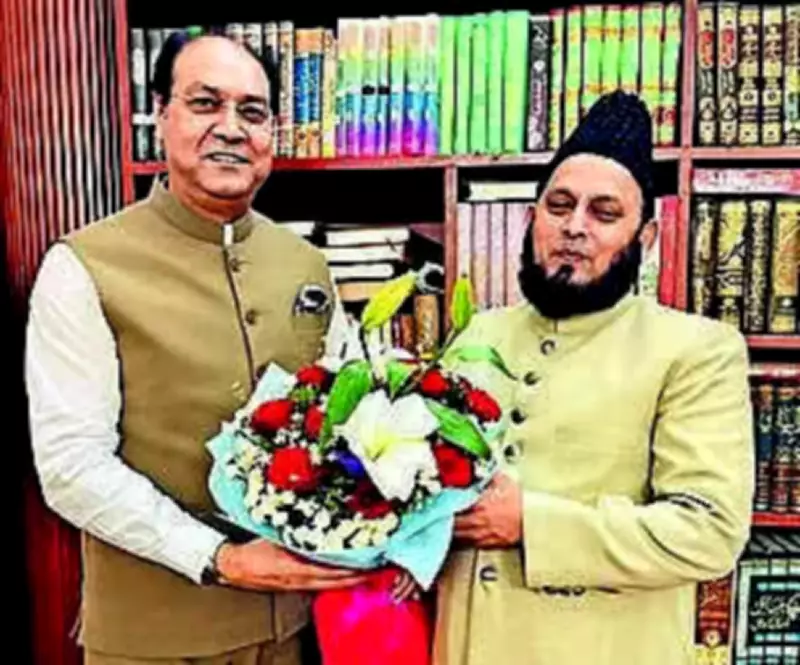
In wake of Chief Minister Yogi Adityanath's directive that the government will not allow offering namaz in public places, and Muslims can offer prayers in shifts if mosques are cramped for space, several Muslim clerics in Uttar Pradesh have stated that Bakrid namaz would be offered inside mosques and Eidgahs as in previous years. If required, arrangements could be made for multiple prayer shifts.
CM's Stance on Public Prayers
The Chief Minister had clarified his government's stance at an event in Lucknow earlier this week. He suggested that if there was a large gathering, prayers could be offered in shifts. "If offering namaz is essential to you, do so in shifts. We will not stop you from praying. However, it will not be permitted on the roads," he had said.
Preparations for Bakrid
Senior executive member of the All India Muslim Personal Law Board (AIMPLB), Maulana Khalid Rasheed Farangi Mahali, said extensive preparations were being made in mosques and Eidgahs as every year for Bakrid, which will be celebrated on May 28. The cleric said arrangements for offering namaz in multiple shifts could be made if needed, provided each congregation had a separate imam.

Mahali noted that Muslims had been offering prayers inside mosques and Eidgahs for years and have always followed law and order because namaz is not only an act of worship but also teaches discipline. By avoiding prayers on roads for years, Muslims had demonstrated that they are a disciplined and civilized community, he added. On the CM's directive, Mahali said, "We expect the government to apply the same rules to all communities."
Shia Perspective
General secretary of the All India Shia Personal Law Board, Maulana Yasoob Abbas, said arrangements for Eid prayers at Shia mosques are being made in the same manner as every year. However, he clarified that there was no provision for multiple shifts in Shia congregational prayers. "This is about worship, and only one form of worship should not be targeted. Rules should apply equally to all. Any procession or religious activity that disrupts traffic should be stopped," he added.
Support from Barelvi Clerics
Leading clerics of the Barelvi sect backed the Chief Minister, saying that prayers should be offered only at clean and peaceful places where there is no disturbance. The national president of the All India Muslim Jamaat, Maulana Shahabuddin Razvi Bareilvi, said Islam strictly instructs that there should be no obstruction between a worshipper and Allah while offering namaz.
The imam of the Jama Masjid in Bareilly, Maulana Khursheed, said the CM did not say anything wrong by opposing prayers on roads. The directive had been followed earlier as well and would continue to be followed in future, he said.
Islamic Principles on Public Prayers
The principal of the Madrasa Islamia Arabia Jama Masjid in Amroha, Mufti Syed Mohammad Affan Mansoorpuri, said that according to Islamic principles, offering namaz on roads or similar public places is not considered appropriate. Prayers should not be offered anywhere without obtaining the necessary permission, and Muslims are aware of this and largely follow the norm, he said. However, Mansoorpuri noted that while Muslims follow government directives on offering prayers, the CM's remarks were aimed at appeasing the majority community.
Additional Support
Moradabad's city imam Hakim Maulana Masoom Ali Azad backed the Chief Minister and said that Muslims have been offering Eid prayers in mosques and Eidgahs for a long time.






