

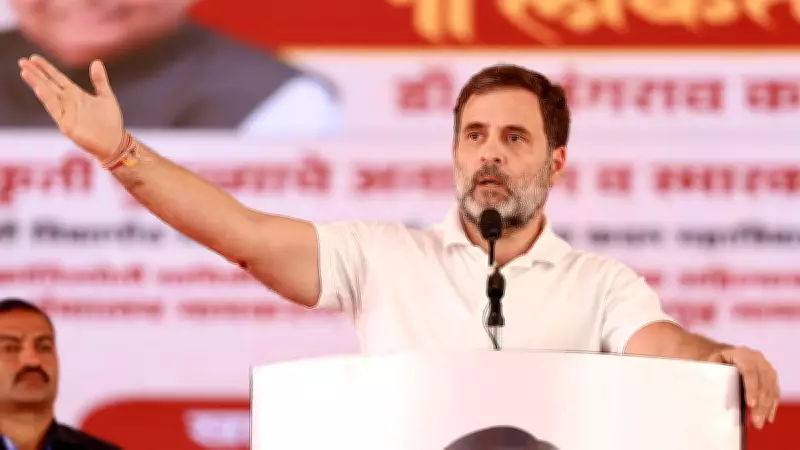
Uttar Pradesh Court Schedules Next Hearing in Rahul Gandhi Defamation Case for March 9
A court in Uttar Pradesh has officially set March 9 as the next date for hearing in a defamation case filed against Congress leader Rahul Gandhi. This development marks a continuation of the legal proceedings that have been unfolding in the state, drawing significant attention from political observers and the public alike.
Details of the Court Proceedings
The case, which involves allegations of defamation, is being heard in a court located in Uttar Pradesh. The court's decision to fix March 9 as the next hearing date ensures that the legal process moves forward, with both parties expected to present their arguments and evidence on that day. This scheduling follows previous hearings and is part of an ongoing judicial review of the matter.
The defamation case against Rahul Gandhi has been a point of contention in Indian politics, often highlighting the tensions between political figures and the legal system. As a prominent leader of the Congress party, Gandhi's involvement in such cases frequently sparks debates about freedom of speech, political accountability, and the use of defamation laws in India.

Background and Implications
Defamation cases in India, especially those involving high-profile politicians like Rahul Gandhi, can have far-reaching implications. They not only affect the individuals involved but also set precedents for how similar cases are handled in the future. The Uttar Pradesh court's handling of this case is being closely monitored, as it could influence legal strategies and political narratives in the region and beyond.
The scheduling of the hearing for March 9 indicates that the court is proceeding methodically, allowing time for proper preparation by all parties. This approach is crucial in ensuring a fair trial and upholding the principles of justice, which are fundamental to the Indian judicial system.
Political Context and Reactions
In the broader political landscape, this defamation case against Rahul Gandhi is seen as part of a series of legal challenges faced by opposition leaders in India. It reflects the ongoing political rivalries and the use of legal mechanisms in political disputes. Supporters of Gandhi argue that such cases are politically motivated, aimed at undermining his credibility and the Congress party's influence.
On the other hand, those who filed the case maintain that it is a legitimate pursuit of justice for alleged defamatory statements. The outcome of this hearing on March 9 could potentially impact Gandhi's political activities and the Congress party's strategies moving forward, especially in Uttar Pradesh, a key state in Indian politics.
As the date approaches, all eyes will be on the Uttar Pradesh court to see how the proceedings unfold. The hearing is expected to delve into the specifics of the defamation allegations, with legal experts and political analysts keenly observing the arguments presented. This case serves as a reminder of the intricate interplay between law and politics in India, where court decisions can have significant repercussions on the national stage.






