Uttar Pradesh Political Landscape Heats Up Over Dalit Outreach
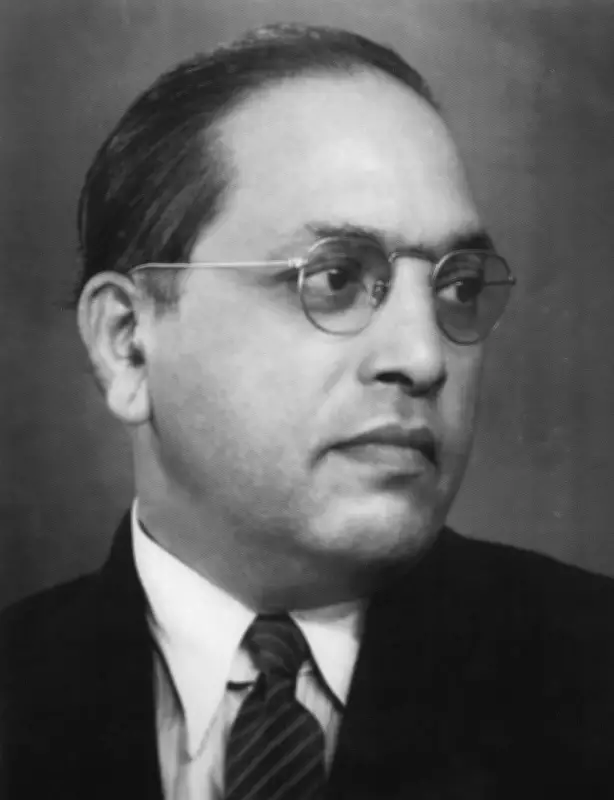
As Uttar Pradesh prepares for the high-stakes 2027 assembly elections, political parties are intensifying their efforts to secure the electorally significant Dalit vote bloc. The competition has reached a fever pitch around the 135th birth anniversary of Dalit icon BR Ambedkar, with each major party launching distinct strategies to appeal to this crucial demographic.
BJP's Multi-Pronged Dalit Engagement Strategy
The Bharatiya Janata Party (BJP) is making an assertive bid to strengthen its connection with Dalit communities across Uttar Pradesh. The party has organized events in every district, following Chief Minister Yogi Adityanath's announcement to renovate statues of Dalit icons, including Ambedkar, in every assembly constituency. This initiative represents a significant symbolic gesture aimed at demonstrating the BJP's commitment to Dalit welfare and representation.
In a strategic move, BJP state president and Union Minister Pankaj Chaudhary visited the Congress stronghold of Rae Bareli to unveil a renovated statue of Ambedkar that had been desecrated in December last year. The statue is located in the Bachhrawan reserved assembly seat, which the Samajwadi Party wrested from BJP ally Apna Dal (S) during the 2022 assembly elections. Political analysts note that while the statue renovation signals BJP's increased visibility among Dalit voters, the district-level programs aim to convert these symbolic gestures into tangible booth-level electoral gains.

Interestingly, the event was organized under the direct supervision of SP turncoat and two-time former MLA Ram Babu Akela, a Jatav leader who joined the BJP in 2022 after being denied a ticket by the Samajwadi Party. This move highlights the BJP's strategy of incorporating experienced Dalit leaders from rival parties to strengthen its grassroots presence.
Samajwadi Party's Counter-Offensive and PDA Agenda
The Samajwadi Party has responded to BJP's outreach with its own intensified Dalit engagement strategy. The party has planned events in SC-dominated rural pockets across the state and has mobilized its Dalit offshoot organization, SP Ambedkar Vahini, to directly connect with Dalit communities. According to party officials, these efforts aim to "expose" what they describe as the BJP's "nefarious designs" regarding constitutional safeguards guaranteed to Scheduled Caste communities.
National general secretary of SP Ambedkar Vahini, Ram Babu Sudarshan, stated that beyond highlighting the party's Pichhda, Dalit, Alpsankhyak (PDA) poll agenda, the organization would reveal what they call the "hidden nexus" between the BJP and BSP chief Mayawati in the lead-up to the 2027 assembly elections. The SP's strong performance in the 2024 Lok Sabha elections has significantly boosted the party's confidence to expand beyond its traditional Yadav-Muslim base and make substantial inroads into Dalit communities.
Congress and BSP's Distinct Approaches
Within the SP-led alliance framework, the Congress party has tasked its grassroots workers with organizing 'Pad-yatras' (foot marches) across various assembly constituencies to mobilize SC communities. Congress spokesperson Anshu Awasthi announced that the party would also organize 'sahboj' (community feasts) with Dalit communities as part of their outreach efforts. Political observers note that while Congress lacks significant organizational strength in Uttar Pradesh, these initiatives represent the party's attempt to remain relevant within the opposition alliance by specifically targeting Dalit voters.
The Mayawati-led Bahujan Samaj Party (BSP), meanwhile, plans to organize a mega event at the Ambedkar Memorial in Lucknow, positioning it as a show of strength to consolidate the party's core Dalit vote bank. BSP state president Vishwanath Pal emphasized that his party has been the "true champion" of socially oppressed classes' rights. However, analysts point out that the BSP faces significant challenges due to eroding vote share in recent elections, attributed to both BJP's aggressive outreach and SP's emerging PDA strategy. The BSP appears to be shifting from expansion mode to defending its gradually shrinking Dalit political space.

Strategic Implications for 2027 Assembly Elections
The intensified competition for Dalit votes reflects the critical importance of this demographic in Uttar Pradesh's political calculus. With approximately 21% of the state's population belonging to Scheduled Castes, their electoral preferences could significantly influence the outcome of the 2027 assembly elections. Each party's approach reveals distinct strategic thinking: the BJP emphasizes symbolic gestures and infrastructure development, the SP focuses on grassroots mobilization and alliance building, Congress attempts niche positioning within the opposition framework, and the BSP strives to reclaim its historical identity as the primary Dalit political vehicle.
Political analysts suggest that the effectiveness of these outreach programs will depend not only on symbolic gestures but on tangible policy implementation and genuine representation. As the 2027 elections approach, the battle for Dalit votes is likely to intensify further, with each party refining its messaging and expanding its grassroots networks across Uttar Pradesh's diverse political landscape.