Widespread Demonstrations in Uttar Pradesh Over Ayatollah Khamenei's Death
In a significant display of solidarity and grief, protests have erupted across Uttar Pradesh following the reported killing of Ayatollah Ali Khamenei, the Supreme Leader of Iran. Community members, deeply moved by the event, have taken to the streets in various cities and towns, voicing their outrage and mourning the loss of the influential religious figure.
Community Members Honor Khamenei as a Martyr
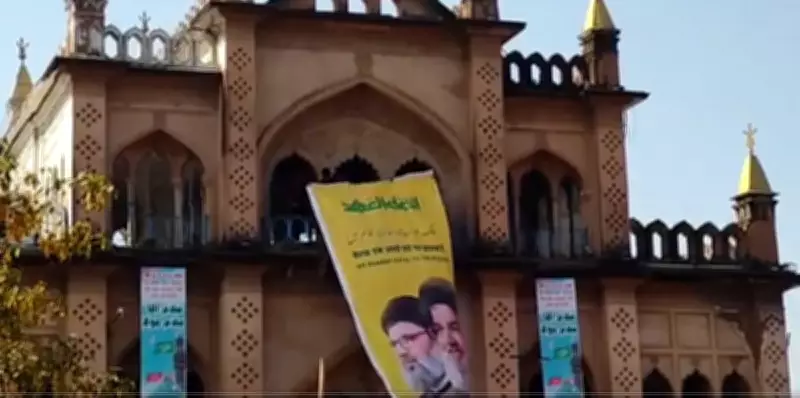
Participants in the demonstrations were seen carrying pictures of Ayatollah Ali Khamenei, along with placards and banners that prominently featured his image and messages of support. The gatherings, which drew significant attention, were marked by emotional tributes, with many in the crowd hailing Khamenei as a 'martyr'. This term, often used in religious contexts to denote someone who dies for a cause, underscores the deep reverence and respect held for Khamenei within this community.
The protests, which began on March 1, 2026, have been reported from multiple locations in Uttar Pradesh, including the state capital, Lucknow. Organizers and participants emphasized their connection to the global events in Iran, expressing solidarity with those affected by Khamenei's death. The demonstrations were largely peaceful, with participants chanting slogans and displaying symbols of their faith and political alignment.
Background and Implications of the Protests
Ayatollah Ali Khamenei has been a pivotal figure in Iranian politics and the Islamic world for decades, serving as the Supreme Leader since 1989. His reported killing has sent shockwaves internationally, prompting reactions from various communities worldwide. In Uttar Pradesh, a state with a diverse population and active political engagement, the protests reflect the broader geopolitical tensions and the local community's response to global events.
Authorities in Uttar Pradesh have been monitoring the situation closely to ensure public order. While no major incidents of violence have been reported, the demonstrations highlight the potential for such events to influence domestic politics and community relations. The use of terms like 'martyr' in the protests suggests a strong emotional and ideological investment in the issue, which could have lasting effects on social dynamics in the region.
As the news continues to develop, observers are watching how these protests might evolve and what impact they could have on India-Iran relations, as well as on internal state affairs in Uttar Pradesh. The community's vocal support for Khamenei underscores the interconnectedness of local and global politics in today's world.