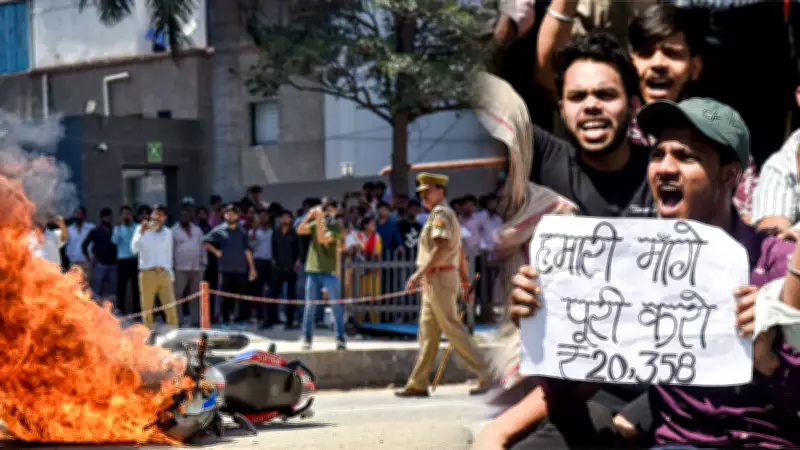
Uttar Pradesh Government Announces Wage Increase Following Noida Worker Unrest
In a swift response to violent protests that erupted in Noida, the Uttar Pradesh government has announced a significant increase in minimum wages. This urgent policy move aims to restore calm and rebuild trust between labor forces and industrial stakeholders after intense clashes highlighted deep-seated tensions.
From Protest to Policy: A Rapid Governmental Response
The decision came within 24 hours of the unrest, demonstrating the administration's rapid reaction capability under pressure. Violent demonstrations by workers in Noida exposed critical fissures between labor demands for better compensation and the economic pressures facing industries in a competitive global market.
Authorities have framed the wage hike as a balanced approach that addresses immediate concerns while considering broader economic implications. The streets of Noida are noticeably quieter today, but many observers describe the current peace as fragile and potentially temporary.

Divergent Perspectives on the Wage Decision
Workers have expressed relief at the government's intervention, viewing the increased wages as a step toward addressing their financial struggles. However, labor representatives emphasize that this represents only partial progress, with numerous issues regarding working conditions and long-term security remaining unresolved.
Conversely, industry leaders have voiced concerns about the economic impact of higher labor costs. They warn that increased wage requirements could strain businesses already navigating challenging global market conditions and potentially affect Noida's competitiveness as an industrial hub.
Implementation and Long-Term Implications
As factories gradually resume operations and workers return to their positions, attention has shifted to implementation. The true test of this policy will not be measured by announcement headlines but by tangible changes reflected in pay slips and improved working environments.
Security forces remain on high alert in the region, while both labor groups and industry representatives recalibrate their positions following the government's intervention. This situation transcends mere numerical adjustments to wage structures; it represents a critical examination of governance responsiveness during crises and whether expedited decisions can foster sustainable trust between all parties involved.
The coming weeks will reveal whether this wage increase serves as a temporary pacifier or the foundation for more comprehensive labor reforms in Uttar Pradesh's industrial sectors.