A political storm has erupted in Uttarakhand after a controversial statement made by the husband of a state minister went viral on social media. The incident, which involved a remark about girls from Bihar, has led to widespread condemnation and forced the individual to issue a public apology.
The Viral Video and Controversial Statement
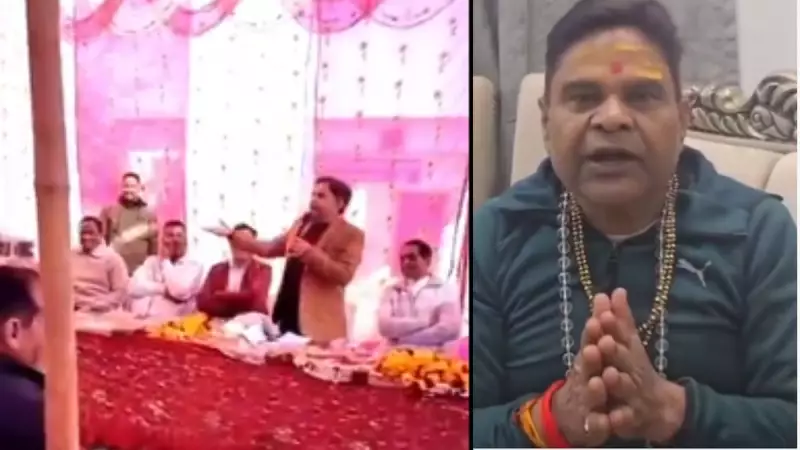
In a video that quickly spread across platforms like X (formerly Twitter) and Facebook, a man identified as Vijay Pal is heard making inflammatory comments. Vijay Pal is the husband of Uttarakhand's Minister of State for Tourism and Culture, Savita Kapoor. The context of the conversation appears to be a discussion about marriage and dowry.
In the clip, Vijay Pal can be heard stating, "Bihar ki ladkiya ₹20,000 mein mil jaati hain" (Girls from Bihar are available for ₹20,000). This remark, perceived as deeply derogatory and insulting towards women from Bihar, triggered immediate backlash from political leaders and the public alike.
Swift Apology and Political Fallout
Facing intense criticism, Vijay Pal moved quickly to contain the damage. He issued an apology, clarifying that his words were misinterpreted. He claimed his statement was a casual comment made in a personal setting and was not intended to disrespect anyone or any community.
However, the apology did little to quell the anger. The opposition seized the opportunity to attack the ruling Bharatiya Janata Party (BJP) government in the state. Leaders demanded strict action and questioned the ethical standards of those associated with the government.
The controversy put Minister Savita Kapoor in a difficult position. While she has not made an extensive public statement regarding her husband's remarks, the incident has undoubtedly caused political embarrassment. The office of Uttarakhand Chief Minister Pushkar Singh Dhami is also believed to have taken note of the incident, given its potential to damage the government's image.
Broader Implications and Public Reaction
This incident highlights several ongoing issues in Indian society and politics. Firstly, it touches upon the sensitive topics of dowry and the commodification of women, which remain illegal and socially condemned yet persist in certain contexts. Secondly, it underscores the political tensions and stereotypes that sometimes exist between different states in India.
The public reaction on social media was one of outrage. Many users from Bihar and other parts of the country expressed their anger, calling the remark shameful and demanding an unconditional apology. The viral nature of the video ensured that the story gained national attention within hours.
Political analysts suggest that such incidents, involving family members of public officials, can have a significant impact on political fortunes, especially in a sensitive state like Uttarakhand. It puts the ruling party's discipline and its members' public conduct under scrutiny.
As the story develops, all eyes are on the Uttarakhand BJP leadership to see if any formal disciplinary action will follow the apology. The episode serves as a reminder of the intense scrutiny public figures and their families face in the age of social media, where a single controversial comment can spiral into a major political crisis.