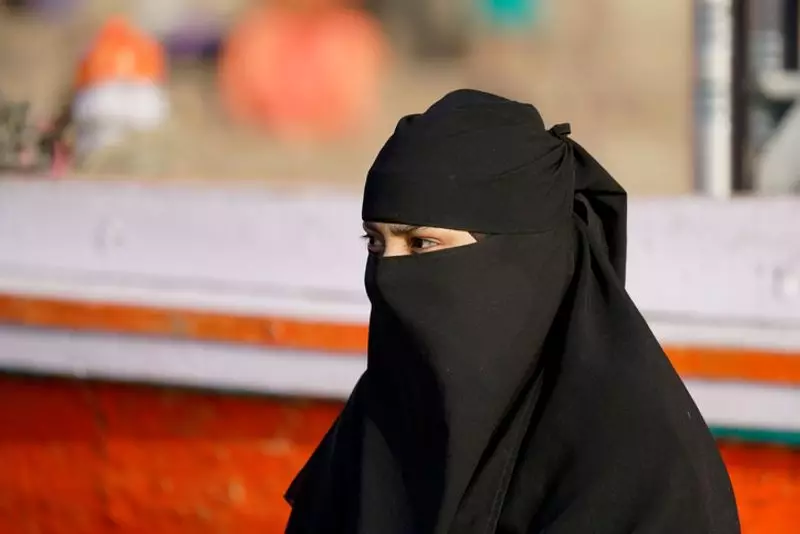
A prominent traders' body in Varanasi, Uttar Pradesh, has issued a directive that is sparking widespread discussion. The Varanasi Sarafa Association has instructed its member jewellers to refrain from selling jewellery to any customer whose face is covered by a burqa, veil, or mask. This decision, driven by security apprehensions, aims to prevent potential criminal activities but has raised questions about its implications for the community.
The Directive and Its Rationale
The association's president, Sandeep Kothari, officially announced the decision. He stated that the executive committee of the Sarafa Association unanimously passed this resolution. The primary motivation behind this move is to enhance security for the jewellery businesses, which are often targets for theft and fraud. The concern is that individuals with concealed faces could easily engage in criminal acts and evade identification later.
Kothari emphasized that the rule applies uniformly to all forms of face coverings, including the burqa, niqab, ghunghat, and even medical or decorative masks. The directive is not targeted at any specific community but is a blanket security measure. The association has advised its members to politely request such customers to reveal their faces before proceeding with any transaction. If a customer refuses, the jeweller is instructed not to conduct the sale.

Implementation and Trader Response
The Varanasi Sarafa Association represents a significant number of jewellers in the city, a major hub for gold and silver trade. The directive has been communicated to all member shops. Traders are expected to comply, as the association plays a key role in setting norms for the local market.
Initial feedback from some jewellers indicates a reluctant agreement, prioritizing safety over potential loss of business. They cite past incidents where criminals used face coverings to execute robberies or fraudulent exchanges. The dense and often crowded markets of Varanasi make visual identification crucial for post-incident investigations. By implementing this rule, the association believes it is taking a proactive step to deter crime and protect both the traders and genuine customers.
Broader Context and Potential Repercussions
This decision arrives in Varanasi, a city of immense religious and cultural significance that attracts a diverse population. While the traders' body insists the rule is purely for security, it inevitably touches upon issues of religious practice, personal choice, and public safety. The burqa and niqab are worn by some Muslim women as part of their faith, and the directive could be perceived as creating barriers for them.
There has been no immediate official reaction from law enforcement or district administration regarding the traders' unilateral move. The effectiveness of such a private association's directive in actually curbing crime remains to be seen. Critics might argue that determined criminals could find other methods, while the rule may inconvenience law-abiding citizens. The development highlights the ongoing challenge businesses face in balancing security protocols with inclusive customer service in today's complex environment.
The coming days will reveal how strictly the ban is enforced on the ground and whether it leads to any formal discussions with community leaders or authorities. For now, the signage and verbal reminders in Varanasi's glittering jewellery shops carry a new condition for entry: a visible face.