Velachery's Electoral Puzzle: A Three-Party Battleground Seeks Concrete Solutions
In the bustling urban landscape of Chennai, the Velachery assembly constituency stands out as a unique electoral enigma. Over the past three elections, MLAs from three distinct political parties have emerged victorious here, a pattern shared only with Virugambakkam and Maduravoyal in the city. This political volatility sets the stage for a highly competitive fourth election, where residents are increasingly vocal about their unmet needs and demand clear-cut answers from candidates.
A Constituency Transformed: From Village to Urban Hub
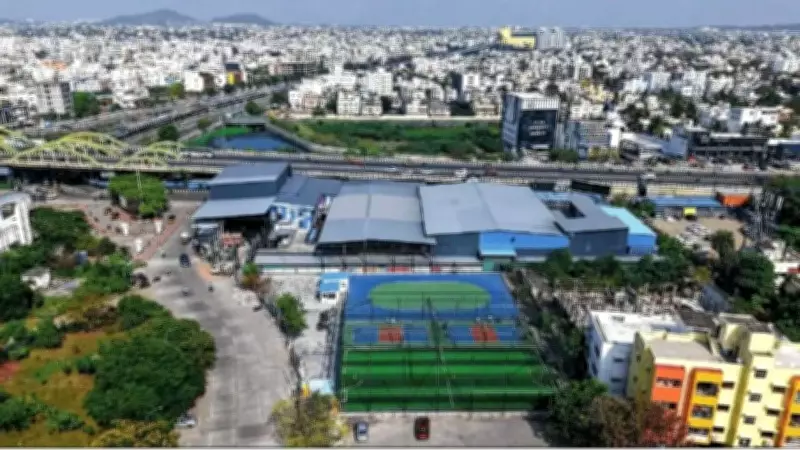
Carved out from the larger Tambaram constituency following the delimitation exercise in 2008, Velachery has undergone a dramatic transformation. Once known as the village of Vedasreni, it is now characterized by rampant, unplanned residential and commercial development. This rapid urbanization has brought both opportunities and challenges, with infrastructure struggling to keep pace.
Historically, the AIADMK has fielded candidates in every election since the constituency's inception but has secured victory only once. The DMK, on the other hand, ceded the seat to its allies in two of the three elections, despite party member Vagai Chandrashekar's win in 2016. This history of shifting allegiances and narrow margins—such as the less than 5,000-vote difference in 2021—highlights the constituency's unpredictable nature.

The Current Electoral Landscape: A Multi-Cornered Contest
As Velachery prepares for its fourth assembly election, the political arena is more crowded than ever. Incumbent Congress MLA J M H Aassaan Maulana faces not only anti-incumbency sentiments but also formidable competition from NTK's M Keerthana, who garnered an impressive 14,000 votes in the previous election, and new entrant TVK's R Kumar, who has received a warm reception during campaign events.
Internal challenges within the Congress camp are evident on the ground. The candidate has notably refrained from attending meetings organized by residents' welfare associations and gated communities, limiting interactions and raising concerns about accessibility. Similarly, DMK cadre express disgruntlement, with senior functionaries from both parties acknowledging resentment over seat-allotment issues, though they assert it will not derail campaign efforts.
However, a potential game-changer looms on the horizon. Rahul Gandhi is expected to arrive next week to campaign for Aassaan Maulana, with plans to visit Sriperumbudur alongside Chief Minister M K Stalin. According to senior Congress leader A Gopanna, this high-profile visit is anticipated to energize party cadres, though the exact date remains unconfirmed.
Confidence and Change: Voices from the Campaign Trail
In the AIADMK camp, confidence runs high. Candidate M K Ashok, who previously won the seat in 2011, believes he is well-positioned for victory once again. "I know the constituency in and out. Last time too, I lost by only a small margin. People know me well and they desperately want a change," Ashok stated, emphasizing his deep connection with the electorate.
Meanwhile, NTK and TVK are capitalizing on the electorate's palpable desire for transformation. A TVK functionary noted, "People here cut right to the chase and ask us what we will do if we win. They are quick to point out mistakes and seek accountability," reflecting the community's demand for tangible results over empty promises.
Political Analysis and Ground Realities
Political commentators predict an intensified campaign in the coming week. Durai Karuna, a noted political analyst, observed, "Generally, differences are ironed out close to the polls. DMK has set a goal of winning more than 200 seats and will not leave loose ends, especially where allies contest. The competition is likely to be tight this year."
On the ground, residents voice frustration over perennial issues that have persisted despite regime changes. Flooding remains a critical concern, largely unaddressed across administrations. Development, though widespread, has been uneven. Areas like Adyar, Besant Nagar, and Thiruvanmiyur benefit from better stormwater and sewer infrastructure, while neighborhoods around Velachery lake have seen minimal progress.

Geetha Ganesh, secretary of the AGS Colony RWA, highlighted administrative gaps: "There is no Metrowater office or zonal office in Velachery, the area that the constituency is named after. Everything is spread out in Adyar zone. We need easy access to government officials."
M Balakrishnan of TANSI Nagar RWA criticized misplaced priorities: "Even today, people flock to park their cars on the flyover during heavy rains. Instead of focusing on basics, the government has focused on aesthetics—such as beautifying the Velachery-Perungudi MRTS link road while doing nothing to widen stormwater drains and culverts."
In Taramani, aging infrastructure exacerbates problems, with 40-year-old sewage pipes yet to be replaced, leading to frequent contamination. Shanti, a voter from Bharathi Nagar, expressed a common sentiment: "I will only vote for the person who will bring about a permanent redress to this problem."
As Velachery heads to the polls, the electorate's call for accountability and sustainable development resonates louder than ever, making this a constituency to watch closely in the upcoming election.