

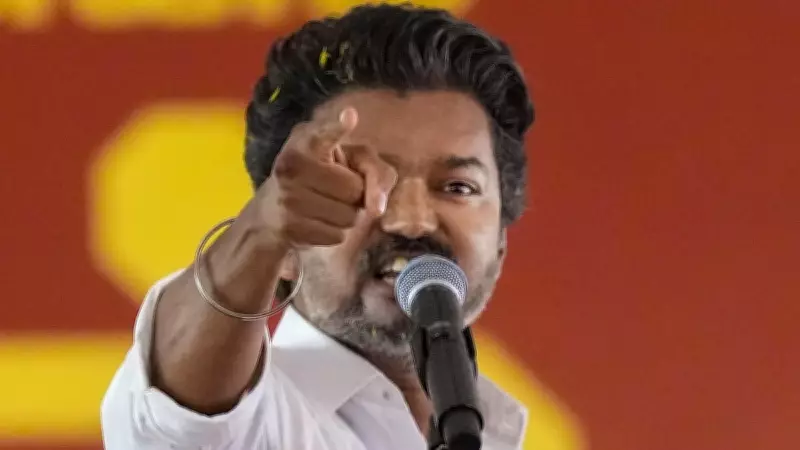
Tamil Nadu 2026 Elections: Vijay's Political Entry Challenges Dravidian Bipolarity
The political landscape of Tamil Nadu is undergoing a significant transformation as the state gears up for the 2026 Assembly elections. The entry of popular actor Vijay into the political arena with his fledgling party, Tamilaga Vettri Kazhagam (TVK), is poised to test the long-standing Dravidian bipolarity that has dominated the state's politics for decades. This development sets the stage for a compelling triangular contest that could reshape the future of governance in Tamil Nadu.
A New Political Force Emerges
Despite being a relatively new political entity with limited organisational strength on the ground, TVK has managed to make a notable impact by successfully taking its symbol, the whistle, to the masses. This achievement highlights the party's ability to connect with voters through effective symbolism and grassroots outreach, even as it navigates the challenges of building a robust political infrastructure from scratch.
The traditional Dravidian political framework, characterized by a bipolar contest between the two major Dravidian parties, is now facing unprecedented pressure. Vijay's entry introduces a third significant player into the electoral fray, potentially fragmenting votes and altering established voting patterns. This triangular dynamic adds a layer of complexity to the upcoming elections, making the outcome more unpredictable than in previous cycles.

Implications for Tamil Nadu's Political Future
The rise of TVK represents more than just the emergence of a new political party; it signifies a potential shift in the ideological and strategic foundations of Tamil Nadu politics. As Vijay leverages his substantial popularity and public appeal, his party could attract support from disillusioned voters seeking an alternative to the established Dravidian parties. This scenario challenges the conventional wisdom that Tamil Nadu's political arena is impervious to third-party disruptions.
Political analysts are closely monitoring how TVK's campaign strategies and policy proposals will resonate with the electorate. The party's focus on issues such as governance transparency, youth empowerment, and social justice could appeal to a broad demographic, particularly younger voters who may be less tied to traditional Dravidian loyalties. This demographic shift could play a crucial role in determining the electoral outcome.
The Road to 2026: A Contest of Symbols and Substance
As the 2026 elections approach, the competition is expected to intensify, with all three major players—the two established Dravidian parties and TVK—vying for voter attention. The whistle symbol of TVK has already become a recognizable emblem of change, symbolizing a call for accountability and reform in the political system. This visual identity, combined with Vijay's star power, provides TVK with a unique advantage in capturing public imagination.
However, the real test will lie in TVK's ability to translate symbolic appeal into tangible electoral gains. Building a cohesive organizational structure, articulating clear policy platforms, and mobilizing support across Tamil Nadu's diverse regions will be critical challenges. The established Dravidian parties, with their deep-rooted networks and historical legacies, are unlikely to cede ground easily, setting the stage for a fiercely contested election.
In conclusion, the 2026 Tamil Nadu Assembly elections mark a pivotal moment in the state's political history. Vijay's entry with TVK not only challenges the Dravidian bipolarity but also introduces a new dynamic that could redefine political alliances and voter behavior. As the campaign unfolds, the interplay between symbolism, substance, and strategic maneuvering will determine whether Tamil Nadu witnesses a continuation of its traditional political order or embarks on a new path shaped by emerging forces.






