

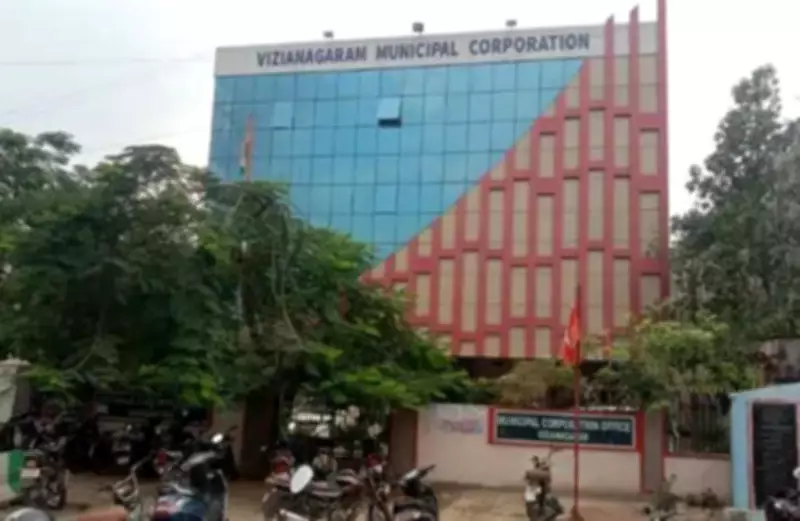
Vizianagaram Municipal Corporation Announces Major Ward Reorganization
The city of Vizianagaram in Andhra Pradesh is poised for a significant administrative overhaul as it prepares to expand its municipal wards from 50 to 62. This strategic move is designed to better align with the city's population of 2.44 lakh, as recorded in the 2011 census, and to address long-standing governance challenges in various localities.
Historical Context and Evolution of Municipal Governance
The journey of Vizianagaram's municipal governance dates back to 1888 when the municipal association was first established with just four members. Over the decades, the city has witnessed substantial growth and administrative upgrades. The inaugural municipal elections were conducted in 1974 for 27 wards, marking a pivotal moment in local democracy.
In 1988, Vizianagaram achieved the status of a selection-grade municipality, reflecting its urban development. A major milestone was reached in 2019 when it was elevated to a municipal corporation, initially comprising 50 divisions. This transition underscored the city's expanding urban footprint and the need for more structured governance.

Challenges Leading to the Ward Expansion
The decision to increase the number of wards stems from practical issues that have emerged in recent years. Notably, in 2019, the KL Puram area was divided into three divisions, with certain residential zones allocated to the 44th division and others to the 43rd division. This division created confusion and logistical hurdles not only for political leaders but also for the general public, highlighting the inadequacy of the existing ward structure.
Municipal authorities have identified several other areas, including Gajularega, VT Agraharam, and Ayyannapeta, along with numerous outskirt regions, that face similar problems due to the current ward setup. The expansion to 62 wards is expected to provide more localized and efficient administration, thereby mitigating these issues.
Current Voter Statistics and Future Plans
According to municipal data, the present 50 divisions encompass a total of 2.02 lakh voters, comprising 99,012 men and 1.03 lakh women. The 39th division stands out with the highest voter count, where 5,814 individuals are registered to cast their votes. This distribution underscores the need for a more balanced and representative ward system.
Vizianagaram Municipal Corporation Commissioner Balaswamy has affirmed that the process to enhance the number of wards from 50 to 62 will be conducted in a proper and systematic manner. He emphasized that this reorganization, which was initially planned before the 2020 elections despite some allegations of improper ward divisions, is crucial for addressing urban growth and improving public services.
Implications for Urban Development and Governance
The ward expansion is not merely a numerical increase but a strategic step towards enhancing civic amenities and governance in Vizianagaram. By creating more wards, the municipal corporation aims to ensure better representation, more effective resource allocation, and improved responsiveness to local needs. This move is anticipated to foster sustainable urban development and strengthen the democratic framework at the grassroots level.
As Vizianagaram continues to evolve, this reorganization reflects a proactive approach to managing its growth and addressing the complexities of modern urban administration. The successful implementation of the 62-ward structure could serve as a model for other cities facing similar challenges in India.






