

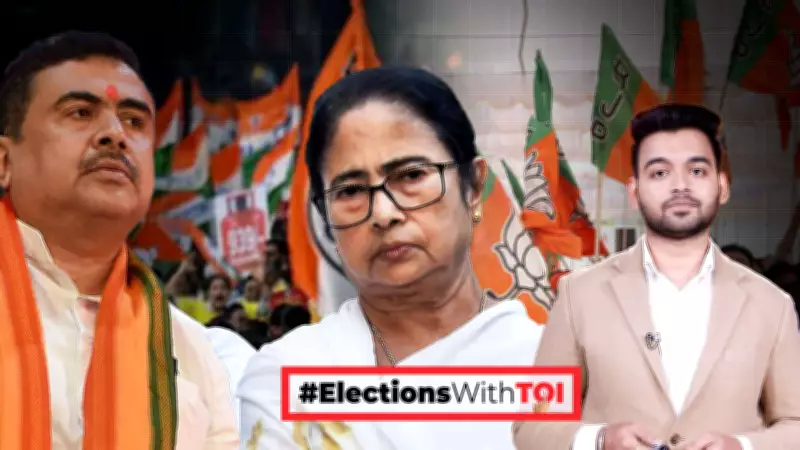
West Bengal 2026 Assembly Elections: Spotlight on 10 Pivotal Constituencies
As West Bengal gears up for the highly anticipated 2026 Assembly polls, political analysts and voters alike are focusing on 10 key constituencies that are poised to play a decisive role in shaping the state's political trajectory. These seats, spanning from urban hubs to rural regions, encapsulate the intense rivalries, demographic shifts, and social issues that define Bengal's electoral landscape.
Critical Seats Under the Microscope
The constituencies in focus include Bhabanipur, which holds immense significance as the seat of Chief Minister Mamata Banerjee and the Trinamool Congress (TMC). This urban constituency is a bellwether for TMC's strength and leadership appeal. Meanwhile, Nandigram stands as a powerful symbol of the fierce competition between the TMC and the Bharatiya Janata Party (BJP), having been a flashpoint in previous elections with high-stakes battles.
Other Key Constituencies and Their Dynamics
Beyond these headline-grabbing seats, several other constituencies are drawing attention due to their unique voter profiles and political tensions:

- Sandeshkhali: Known for its complex social fabric and ongoing debates over land and rights, this seat could influence rural voter sentiment.
- Bhangar: A constituency marked by recent political mobilizations and issues related to development and governance.
- Gaighata: Representing the border areas, it highlights concerns over migration and cross-border politics.
- Samserganj: This seat often reflects the interplay of local issues with broader state-level politics.
- Dinhata: A key battleground in North Bengal, where demographic changes and ethnic identities play a crucial role.
- Kolkata Port: An urban constituency with a mix of industrial and residential voters, focusing on economic and infrastructure matters.
- Baruipur Paschim: Located in the South 24 Parganas, it is a microcosm of rural-urban divides and agricultural concerns.
- Asansol Dakshin: An industrial belt seat that captures issues of employment, industrialization, and labor politics.
Factors Influencing the Electoral Battle
These 10 constituencies are not just geographic areas but represent the pulse of Bengal politics. They feature crucial voter demographics, including urban professionals, rural farmers, and minority communities, all of whom are engaged in social debates over identity, development, and governance. The political tensions here are amplified by the ongoing rivalry between the TMC and BJP, with each party vying for dominance through campaigns focused on local issues and broader ideological narratives.
From the urban centres like Kolkata to the rural belts of North and South Bengal, these contests are expected to be closely fought, with outcomes that could tip the balance of power in the state assembly. As election day approaches, monitoring these seats will provide key insights into voter behavior and the potential direction of West Bengal's political future.






