The year was 1969, and the political landscape of Shahabad Markanda was abuzz with the by-election. Amidst the fervor, a notable figure emerged—a politician who was widely considered a strong contender for the party ticket. However, when the ruling party decided to nominate another candidate, this leader gracefully stepped aside, demonstrating a rare act of selflessness.
The Turning Point
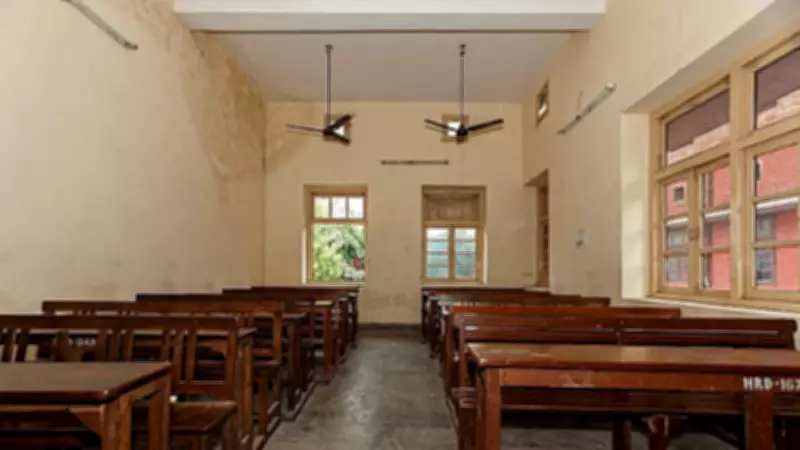
This decision, though surprising to many, was not the end of the story. Instead, it marked the beginning of a transformative journey. The politician, instead of dwelling on the lost opportunity, channeled their energy into a different kind of power—the power to educate and empower. They converted their political influence into a classroom, a space where knowledge could be shared and women could find their voice.
Building a Classroom for Empowerment
The classroom became a symbol of hope and progress. It was not just a physical structure but a testament to the belief that education is the most potent tool for change. The politician, now a teacher in spirit, focused on women empowerment, offering lessons that went beyond textbooks. They taught resilience, courage, and the importance of standing up for one's rights.

- Selfless Leadership: The decision to step aside for the party's nominee showed a commitment to collective goals over personal ambition.
- Education as a Tool: The classroom became a beacon for those seeking knowledge and a better future.
- Women Empowerment: Special emphasis was placed on educating women, helping them break free from societal constraints.
Legacy of the By-Election
The 1969 by-election in Shahabad Markanda is remembered not just for its political outcomes but for the unexpected legacy it created. It reminded everyone that true power lies in uplifting others. The classroom built from that moment of sacrifice continues to inspire, proving that sometimes, the greatest victories are won not at the ballot box but in the hearts and minds of people.
This story, shared by Priyanka Singh on 19 May 2026, serves as a timeless reminder of the impact one person can have when they choose to build rather than fight. It is a narrative of transformation, where political ambition gave way to community service, and a classroom became a monument to empowerment.