

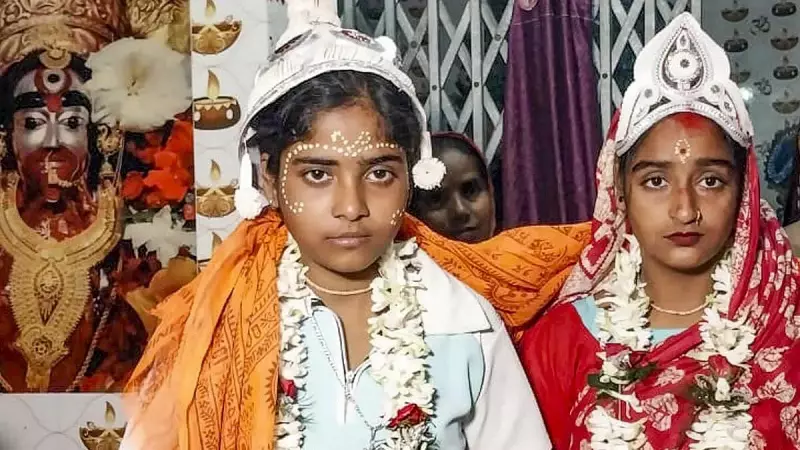
In a powerful testament to changing social attitudes, two young women have solemnized their union in a temple wedding in West Bengal's Sundarbans region, challenging deep-seated norms and finding unexpected support from their local community.
A Quiet Rebellion in the Sundarbans
The event, which took place in a temple nestled within the iconic mangrove forests, stands as a significant act of personal courage. This occurred in a nation where same-sex marriage has no legal sanction and the issue remains a contentious matter pending before the Supreme Court of India. The wedding, reported on November 8, 2025, was described not as a loud political protest but as a quiet rebellion rooted more in affection than activism.
Community Support Defies Expectations
In a heartening turn of events, the village community rallied behind the couple. This widespread local support proved to be a crucial element, transforming a personal ceremony into a symbol of evolving acceptance in rural India. The backing from their neighbours provided a protective and celebratory atmosphere for the two women, highlighting a potential disconnect between national legal frameworks and grassroots social change.

The Larger Context and Implications
This wedding in the Sundarbans, West Bengal, places a spotlight on the ongoing national conversation about LGBTQ+ rights. While the judiciary deliberates on the legal status of such unions, this real-life event demonstrates a societal shift happening at the local level. The act of the two women, supported by their village, underscores a growing assertion of the right to love and commitment, irrespective of legal recognition.
The story is a poignant reminder of the complex interplay between law, society, and individual lives in contemporary India.






