

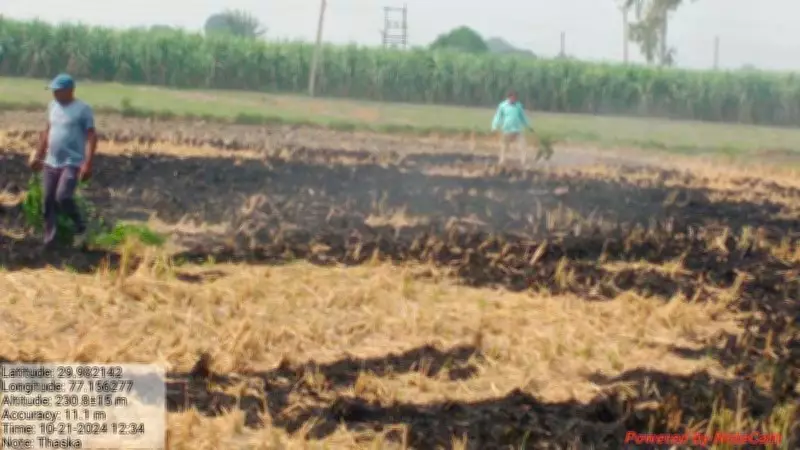
Yamunanagar District Enforces Strict Ban on Wheat Stubble Burning
In a decisive move to combat air pollution and safeguard environmental health, the district administration of Yamunanagar in Haryana has officially prohibited the burning of wheat stubble. This ban, announced recently, aims to address the severe air quality issues that often plague the region during the post-harvest season. The decision underscores a growing commitment to sustainable agricultural practices and public welfare across northern India.
Key Details of the Ban and Its Implementation
The prohibition on wheat stubble burning in Yamunanagar district is part of a broader effort to mitigate the harmful effects of crop residue burning, which contributes significantly to smog and respiratory problems. Authorities have emphasized that this measure is critical for reducing particulate matter emissions and improving overall air quality. Farmers and agricultural stakeholders are being urged to adopt alternative methods for managing crop residue, such as using it for composting or as fodder.
Penalties for non-compliance have been clearly outlined, with fines and legal actions set to be imposed on those who violate the ban. The district administration is also planning to conduct awareness campaigns to educate farmers about the environmental and health risks associated with stubble burning. These initiatives are designed to foster cooperation and ensure the successful enforcement of the new regulations.

Impact on Agriculture and Public Health
The burning of wheat stubble has long been a contentious issue in Haryana and neighboring states, as it releases large amounts of pollutants into the atmosphere. This practice not only degrades air quality but also poses serious health hazards, particularly for vulnerable populations like children and the elderly. By implementing this ban, Yamunanagar district aims to set a precedent for other regions grappling with similar challenges.
Local officials have highlighted that the transition to eco-friendly alternatives may require initial support and resources, but they are confident that with proper guidance, farmers can adapt effectively. The move is expected to contribute to a cleaner environment and better public health outcomes, aligning with national goals for pollution control and sustainable development.
Looking Ahead: Challenges and Opportunities
While the ban represents a positive step forward, its success will depend on robust monitoring and community engagement. Authorities must ensure that enforcement is consistent and that farmers have access to viable alternatives to stubble burning. This initiative could serve as a model for other districts in Haryana and beyond, promoting a shift towards more responsible agricultural practices.
In summary, the ban on wheat stubble burning in Yamunanagar district marks a significant effort to tackle pollution at its source. By prioritizing environmental protection and public health, this policy reflects a proactive approach to addressing one of the region's most pressing issues. As implementation progresses, it will be crucial to monitor its effects and make adjustments as needed to achieve lasting benefits.






