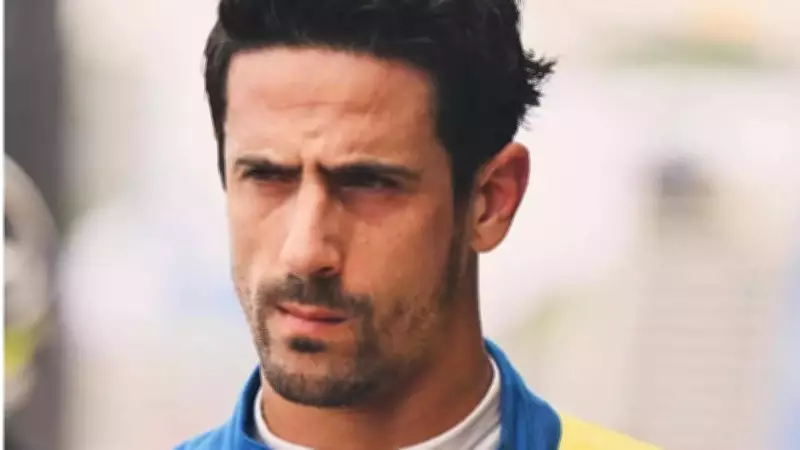
Lucas Di Grassi Forecasts Electric Racing Supremacy by 2027
Lucas Di Grassi, a foundational figure in Formula E since its launch 12 years ago, has boldly declared that electric racing cars will soon outperform their combustion-powered counterparts. The ABT Lola Yamaha Formula E Team driver, a staunch advocate for the series, made these remarks ahead of the highly anticipated debut of the Gen4 Evo car, scheduled to hit the track next year.
Di Grassi's Vision: The "Racing Singularity"
In a recent post on X, Di Grassi articulated his perspective, stating, "Formula E was not born to be environmentally correct. Zero emissions is a byproduct of superior technology. Electric racing inevitably will be faster than any combustion cars. This is coming as soon as 2027. The 'racing singularity' is near." He emphasized that speed, not just sustainability, is the core advantage of electric vehicles.
Comparing the Gen4 Evo to Formula 1's hybrid systems, Di Grassi further tweeted, "F1 will 'adapt' its hybrid rules... Cars will be less powerful and another 2s a lap slower. Before 2026 begins..." This critique highlights his belief in Formula E's technological edge over traditional racing series.

Fan Reactions and Debate
Sharing his initial tweet on Instagram with the caption "Sooner rather than later. Join us," and humorously tagging his location as Mars, Di Grassi sparked a lively discussion among motorsport enthusiasts. Responses varied widely:
- One fan questioned the environmental focus, noting, "Formula E's whole selling point was that it was environmentally correct, until everyone saw the diesel generators in the pits."
- Another prioritized racing quality over speed, commenting, "Who cares if it's faster? All I care about is good wheel-to-wheel racing. Faster doesn't mean better."
- A third pointed to shifting trends, saying, "People are moving to historic and grassroots racing; speed isn't as relevant to enthusiasts as it used to be. Motorsport has to feel worthwhile to play."
Critique of Formula 1 Regulations
Earlier, Di Grassi expressed disapproval of new Formula 1 rules, which have made cars lighter and shorter while retaining hybrid power units. In a video statement, he remarked, "The rules I see in Formula 1, I don't agree with them. For me, Formula 1 is supposed to be maximum performance, flat out all the time. The rules give a lot of room for drivers and systems to manage energy and adopt a driving style that is sometimes very similar to what we do in Formula E." This criticism underscores his view that Formula 1 is converging with electric racing strategies, potentially diluting its traditional appeal.
Upcoming Events and Return to Racing
Di Grassi is set to return to competitive action next month, with the Madrid E-Prix scheduled for March 21. His ongoing involvement and vocal support continue to shape the narrative around Formula E's evolution and its place in the global motorsport landscape.
In summary, Lucas Di Grassi's predictions and critiques highlight a pivotal moment in racing history, as electric technology advances and traditional series adapt. With the Gen4 Evo on the horizon, the debate over speed, sustainability, and the future of motorsport intensifies, positioning Formula E at the forefront of innovation.