Goa Sports Associations Voice Strong Opposition to SAG's New Policies Ahead of Key Meeting
The general body of the Sports Authority of Goa (SAG) is set to convene for the first time in three years this Friday, but the meeting is already mired in controversy. Numerous state sports associations have expressed deep dissatisfaction with the lack of a consultative process before finalizing the crucial agenda items.
Associations Criticize Lack of Consultation and New Fee Proposals
Many associations have been particularly critical of several proposals, most notably one that seeks to impose charges on associations for using sports facilities for State Championships and training camps beyond a limited number of free days. The SAG general body meeting will be chaired by Chief Minister Pramod Sawant, with Sports Minister Ramesh Tawadkar also in attendance.
Sandeep Heble, a prominent sports promoter and former secretary of the Goa Badminton Association (GBA), highlighted the issue in his representation to the chief minister on Thursday. "State sports associations have been kept at arm's length from revised policy formulations, despite being the primary implementing agencies for most of the activities being regulated," Heble stated. "The agenda applies uniform and sweeping guidelines across all sports, without recognising the diversity in formats, competition structures, training requirements and developmental pathways of different disciplines."

Concerns Over Facility Usage Charges and Impact on Athletes
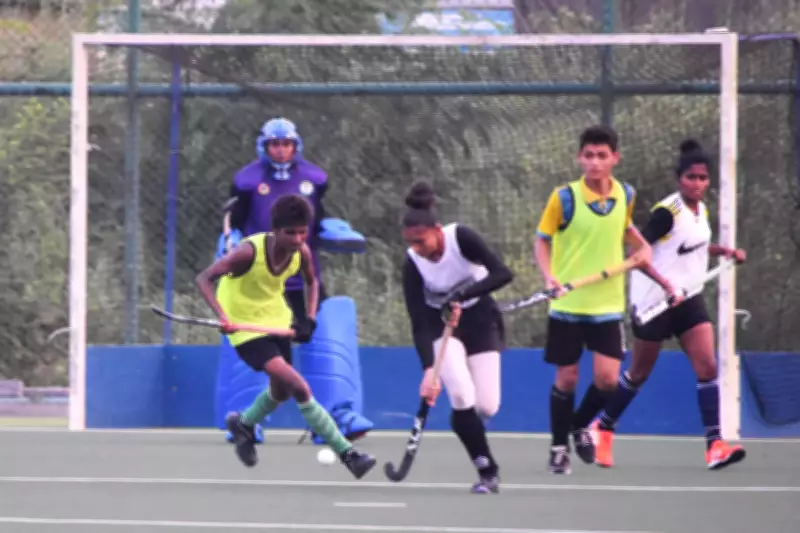
Goa Hockey secretary Farell Furtado emphasized that the SAG should have engaged in a proper consultative process with associations "before placing such far-reaching items on the AGM agenda." Most state associations are expected to strongly object to the proposal to levy charges for using sports facilities for State Championships and training camps beyond the limited free days.
According to Item No. 25 on the agenda, the SAG has proposed revising rental charges for various facilities. Permanent recognized associations will be granted only a dedicated competition area with allied facilities at stadiums and complexes at no cost to conduct state championships. However, these facilities will be available for free only once a year, including two days for individual sports and five days for team sports.
The SAG clarified in its agenda note: "Associations would have to bear the full booking charges exceeding their consideration of two or five days free respectively for individual sports and team sports, and if they wish to have the championship for a long period."
Associations Feel Undervalued and Fear for Athlete Development
Associations, which are run by office bearers serving in an honorary capacity without remuneration, are outraged. They argue that the proposal treats them merely as facility users rather than as partners implementing state policy, potentially weakening their institutional capacity.
"These events are not organised for any personal or commercial interest; they are conducted solely for the benefit of athletes who represent the State team," Furtado explained. "If associations are forced to cut down on camps due to financial pressure, it is the athletes who will ultimately suffer."
Nisha Madgavkar, secretary of the Goa Triathlon Association and a former national swimming champion now known as an Ironwoman, echoed similar concerns. She stressed that access to sport should be made easier, not more expensive, especially when children are increasingly drawn to cell phones and screens. "Participation, competition and the opportunity to represent teams remain powerful motivators for young athletes, and financial barriers could push children further away from sport," Madgavkar warned.
Additional Policy Changes Draw Criticism
Further concerns have been raised over proposals allowing SAG coaches to be deputed for officiating duties for up to 45 days a year. Heble criticized this move, stating, "Coaches are appointed to train athletes, not to routinely abandon training centres to officiate competitions. Instead of strengthening supervision and accountability, the policy legitimises absence and disrupts athlete preparation."

In light of these issues, the government has been urged to review the proposed measures and develop a revised, balanced policy framework that considers the vital role of state sports associations in nurturing athletic talent across Goa.