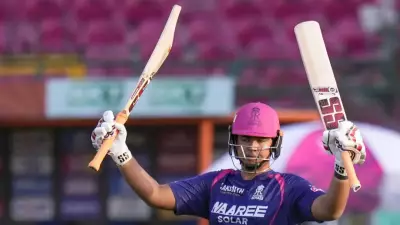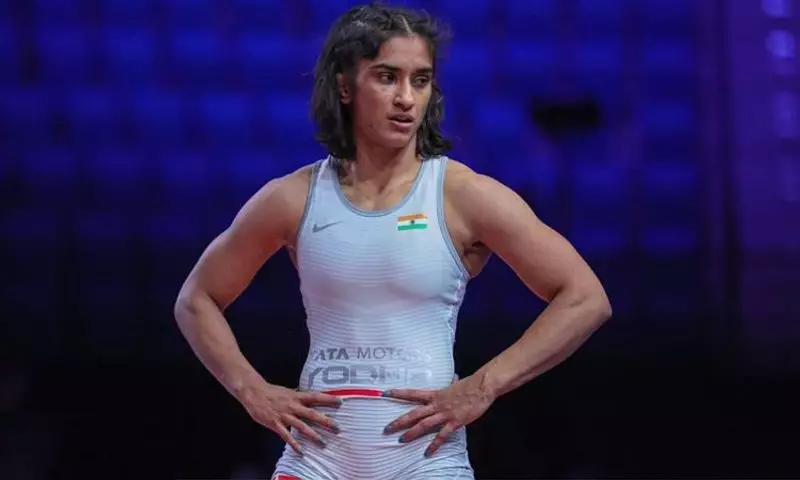
Haryana has firmly established itself as a powerhouse of Indian sports, consistently producing elite athletes who bring glory to the nation on the world stage. From the golden javelin of Neeraj Chopra to the relentless determination of its wrestlers and boxers, the state's contribution is undeniable. However, a stark contrast is emerging between the phenomenal success of its sportspersons and the inadequate sports infrastructure struggling to support the next generation of champions.
The Glory of Haryana's Champions
The state's trophy cabinet gleams with evidence of its sporting prowess. Neeraj Chopra, the boy from Panipat, made history by winning India's first-ever Olympic gold in athletics at the Tokyo 2020 Games. His achievement is not an isolated incident. Haryana athletes were instrumental in India's record medal haul at the 2022 Commonwealth Games in Birmingham, securing a significant portion of the country's 61 medals.
This tradition of excellence spans disciplines. In wrestling, a sport deeply embedded in the state's culture, athletes like Bajrang Punia, Ravi Kumar Dahiya, and Sakshi Malik have consistently delivered Olympic and World Championship medals. The boxing ring echoes with the triumphs of legends such as Vijender Singh and a steady pipeline of new talent. The state's dominance extends to athletics, kabaddi, and hockey, proving a deep and diverse reservoir of sporting talent.

The Infrastructure Deficit: A Hurdle for Aspiring Athletes
Behind the glittering medals lies a less glamorous reality. Many budding athletes across Haryana train in sub-par conditions, often lacking access to basic, international-standard facilities. The existing infrastructure, including stadiums, training centers, and athletic tracks, is frequently described as insufficient, poorly maintained, or outdated. This gap is most acutely felt at the grassroots level, where young talent first emerges.
Aspirants in smaller towns and villages face the biggest challenge. They often have to travel long distances to access quality training grounds or equipment. The lack of synthetic athletic tracks, modern gymnasiums, scientific support systems, and even proper hostel facilities for trainees creates a significant barrier. This infrastructure deficit risks stifling potential and could hinder the state's ability to sustain its champion-producing pipeline in the long run.
Government Initiatives and the Road Ahead
Recognizing this critical gap, the Haryana government has announced several initiatives aimed at bolstering sports infrastructure. Plans have been unveiled to develop and upgrade stadiums in various districts. There is also a stated focus on creating more training centers and academies dedicated to specific sports to nurture talent from a young age with specialized coaching.
However, the key lies in the effective and timely execution of these projects. Stakeholders, including coaches and sports administrators, emphasize that investment must be strategic, widespread, and sustained. Building a world-class stadium in one city is not enough; the network of facilities needs to reach the grassroots to truly democratize sports development. The integration of sports science, nutrition, and injury prevention facilities into these new centers is also crucial for producing world-beaters.
The story of Haryana's sports is currently a tale of two realities. On one hand, its athletes continue to soar, breaking records and winning hearts. On the other, the ground beneath them needs strengthening. Bridging the infrastructure gap is the next crucial medal-winning effort the state must undertake. The champion spirit of Haryana's athletes is undeniable; now, the state's infrastructure must race to catch up and provide the foundation for future generations to build upon this incredible legacy.