Former NFL Star Jason Dunn Demands Financial Justice for Players from Football's Brutal Era
Former Kansas City Chiefs tight end Jason Dunn has ignited a serious and substantial debate regarding the National Football League's historical safety shortcomings. On February 21, 2026, Dunn reacted powerfully to a resurfaced 1977 CBS NFL introductory clip, issuing a clear and urgent call for financial justice aimed at players who competed during that notoriously brutal period of professional football.
Dunn's Emotional Appeal on Social Media
Jason Dunn shared his impassioned perspective on the social media platform X. After viewing the vintage broadcast material, he posted a heartfelt message that resonated deeply across the football community. "Yes indeedy!!! I remember seeing some of those gladiators coming into the locker room or practice from having hip surgery or mangled fingers, real dudes... Glad they changed the game for the safety of the players... Every single one of those men needs to be compensated appropriately!" Dunn wrote.
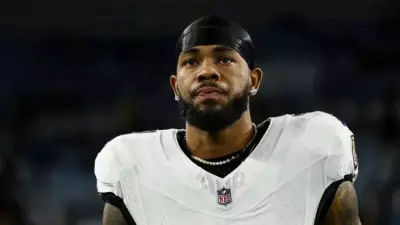
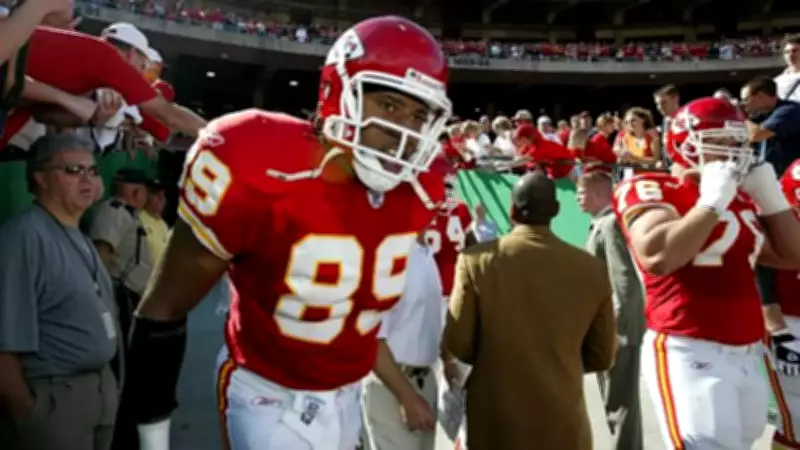
His words carry particular weight given his own professional journey and personal experiences with football-related injuries. Dunn entered the NFL in 1996 as a fourth-round selection by the Philadelphia Eagles. His career faced a significant setback in 1999 when he suffered a devastating season-ending knee injury that forced him to miss the entire campaign. He later joined the Kansas City Chiefs in 2000, remaining with the franchise until his retirement following the 2007 season. Throughout his playing days, Dunn witnessed firsthand how injuries could derail games, terminate contracts, and compromise long-term health for athletes.

The Harsh Reality of 1970s Football Safety Standards
Professional football during the 1970s operated under dramatically different safety protocols compared to contemporary standards. The era featured:
- Defenders frequently dragging ball carriers by their helmets
- High and late hits that often went unpenalized
- Concussions receiving minimal medical attention or public concern
- Far fewer protective equipment requirements and rule enforcements
The NFL initiated substantial safety reforms beginning in the early 2000s. Since 2002 alone, the league has implemented more than fifty significant safety-related rule modifications. These comprehensive changes have included strengthened protections for defenseless receivers, adjusted roughing-the-passer regulations, expanded concussion protocols, and recent requirements for guardian caps during specific practice sessions.
The Core of Dunn's Argument for Compensation
Dunn's fundamental argument remains straightforward and compelling. Today's NFL players benefit enormously from safer playing conditions, advanced medical care, and comprehensive injury prevention measures. However, countless former players from earlier generations competed without these crucial protections, often sustaining life-altering injuries that continue to affect their quality of life decades later.
While the NFL agreed to a landmark concussion settlement with retired players in 2013, ongoing debates persist regarding the fairness and adequacy of such compensation for athletes who sacrificed their physical wellbeing during football's most violent historical periods.
Context Within Current Kansas City Chiefs Developments
Dunn's comments emerge as the Kansas City organization simultaneously awaits clarity regarding star tight end Travis Kelce's future with the franchise. On February 20, 2026, head coach Andy Reid addressed media inquiries via Zoom conference, stating optimistically, "There is communication. As long as there's communication, I'm good." Reid expressed hopefulness about Kelce's continued involvement with the team.
Nevertheless, Dunn's powerful message stands firmly on its own merits, independent of current roster developments. The NFL frequently celebrates the legendary toughness exhibited by players from past decades. Dunn contends the league must also formally acknowledge the substantial physical costs borne by those athletes and provide appropriate financial compensation to the men who paid those heavy prices.