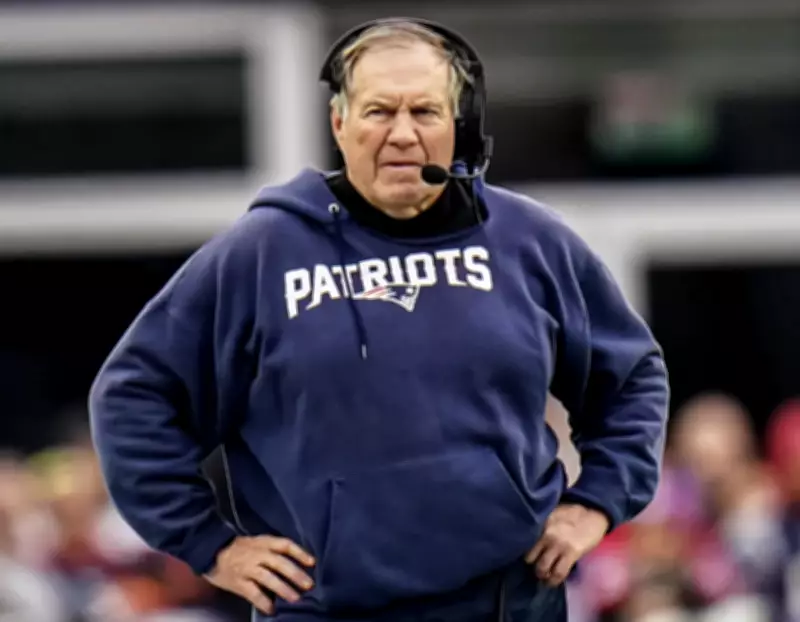
Jimmy Johnson Blasts Hall of Fame Voters Over Bill Belichick's First-Ballot Exclusion
The Pro Football Hall of Fame's controversial decision to exclude legendary coach Bill Belichick from first-ballot induction has ignited a firestorm of reactions across the National Football League. The most vocal criticism has come from Hall of Famer Jimmy Johnson, the former Dallas Cowboys head coach, who has launched a scathing attack on the voting committee for their surprising verdict.
Narrow Miss Sparks Outrage
Belichick fell agonizingly short of the required 80 percent threshold needed for Hall of Fame induction, receiving 39 votes out of 50 from the selection committee. This narrow miss by just one vote has left many within the football community bewildered and questioning the voting process. The requirement for induction demands approval from at least 40 of the 50 committee members, making Belichick's exclusion particularly contentious given his monumental achievements.
Johnson Defends Against Spygate Allegations
Jimmy Johnson took particular issue with suggestions that past controversies, specifically the 2007 "Spygate" scandal, influenced voters' decisions. Taking to social media, Johnson vehemently defended Belichick, describing the practice of filming opponents' signals as "common practice" during that era of professional football.

Johnson elaborated further, revealing that multiple NFL teams attempted similar tactics during that period. The Hall of Fame coach even admitted that his own Dallas Cowboys staff once experimented with signal filming after learning about the technique from other coaching staffs around the league. According to Johnson's firsthand account, the practice provided minimal competitive advantage, leading many teams to eventually abandon such methods.
The Core Argument: Legacy Versus Controversy
Johnson's fundamental argument centers on fairness and consistency in evaluating coaching legacies. He contends that if signal filming was indeed widespread during that era, singling out Belichick years later for Hall of Fame consideration feels particularly unjust. The former Cowboys coach believes the Hall of Fame should primarily reflect coaching impact, innovation, and sustained success rather than controversies that were already addressed and penalized by the league office.
A Career That Redefined Modern Football
Bill Belichick's coaching record stands as one of the most impressive in professional sports history. He guided the New England Patriots to six Super Bowl championships and made nine Super Bowl appearances overall. Alongside legendary quarterback Tom Brady, Belichick constructed what many consider the greatest dynasty in modern American sports, fundamentally reshaping how football organizations approach team building, strategy, and sustained excellence.
League Voices Support Belichick's Legacy
Tom Brady himself publicly expressed confusion over the Hall of Fame committee's decision, stating that if Belichick doesn't qualify for first-ballot induction, it becomes difficult to define who does merit such recognition. New England Patriots owner Robert Kraft echoed these sentiments, calling his former coach "unequivocally deserving" of immediate Hall of Fame enshrinement given his transformative impact on the sport.
Transparency Questions Intensify
The Hall of Fame's voting process, which requires 80 percent approval from its 50-member selection committee, has come under increased scrutiny following Belichick's narrow exclusion. Missing induction by a single vote has intensified debates about transparency in the selection process and whether individual voting decisions should be made public to ensure accountability and consistency.
The Broader Conversation About NFL Greatness
For Johnson and many football observers, Belichick's exclusion raises fundamental questions about how sporting legacies should be measured. Should isolated controversies outweigh decades of sustained excellence and championship success? Or should championships, coaching innovation, and long-term dominance carry greater weight in evaluating candidates for football's highest honor?

The Pro Football Hall of Fame has not publicly detailed individual voting decisions or specific reasons for Belichick's exclusion, leaving ample room for speculation and debate within the football community. What remains clear is that this controversial decision has reopened important conversations about fairness, consistency, and the criteria used to evaluate NFL greatness for future generations.