The Detroit Lions wasted no time making their presence felt in the NFC North offseason landscape. On January 29, the Lions secured former Chicago Bears tight end Thomas Gordon with a reserve/future contract for the 2026 season, as confirmed by the NFL's official transaction wire.
A Strategic Divisional Acquisition
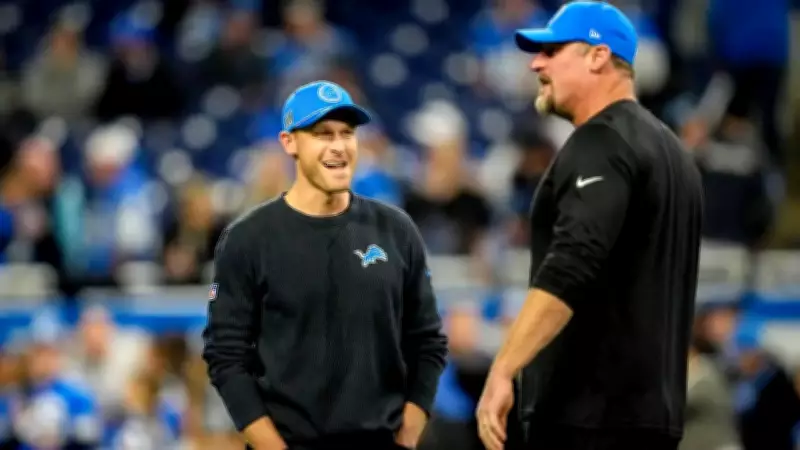
While Thomas Gordon may not be a household name and has yet to make his official NFL debut, this signing represents a calculated divisional maneuver. The move effectively removes a developmental tight end from the Bears' offensive coordinator Ben Johnson's planning board while providing Detroit head coach Dan Campbell with another building block for the Lions' ongoing roster construction.
Gordon's Journey from Chicago to Detroit
Gordon, an undrafted rookie from Northwestern in 2025, initially joined the Chicago Bears during their training camp period. After failing to secure a spot on the initial 53-man roster, he was re-signed to the Bears' practice squad in late December following Chicago's decision to place practice-squad tight end Qadir Ismail on injured reserve.

The critical turning point came when Chicago opted not to retain Gordon during their primary reserve/future signing window between January 20-21, following their season-ending defeat to the Los Angeles Rams. Detroit's decision to sign him instead illustrates the difference between theoretical roster possibilities and actual player acquisition in the competitive NFL landscape.
Campbell's Philosophy in Action
The timing of this acquisition aligns perfectly with head coach Dan Campbell's articulated approach to team building. Following Detroit's 19-16 victory over Chicago on January 4, Campbell emphasized finishing strong, stating, "Our guys fought, man, from the beginning ... and we were able to finish it out." This offseason signing demonstrates that the Lions are applying that same competitive mentality to their roster development strategy.
The Hidden Value in Division Knowledge
Beyond the surface-level transaction, this signing carries potential quiet value for Detroit. Gordon spent meaningful time immersed in Chicago's offensive system, practicing within their facilities and absorbing their operational environment. While the specific insights might be limited, Detroit now possesses a young player with firsthand experience inside a division rival's organization.
It's important to recognize that Gordon lacks regular-season NFL experience, which actually underscores the nature of reserve/future contracts. These agreements focus on developmental potential rather than established track records, allowing Detroit to take a low-risk opportunity while removing that same option from their division rival.
Chicago's Tight End Landscape
From Chicago's perspective, Gordon's departure represents a manageable loss. The Bears have already secured three tight ends to reserve/future deals for 2026: Nikola Kalinic, Stephen Carlson, and Qadir Ismail. Both Carlson and Kalinic saw actual game action in 2025 through elevation opportunities, with Carlson logging 14 offensive snaps and 12 special teams snaps, while Kalinic contributed 29 special teams snaps.
The Bears' tight end room features two established core players under contract for 2026: Colston Loveland and Cole Kmet. Loveland emerged as a genuine number-one option during his rookie season, leading Chicago with 58 receptions, 713 receiving yards, and tying for the team lead with six touchdown catches in 2025. Kmet provided reliable secondary production with 30 receptions for 347 yards and two touchdowns.
Contract Decisions Looming for Chicago
The offseason brings significant financial considerations for the Bears, particularly regarding Cole Kmet's contract situation. Chicago could create $8.4 million in salary cap space by releasing Kmet before the new league year begins, presenting a tangible decision point rather than mere speculation.
Additionally, Chicago must determine their approach to the third tight end position, with Durham Smythe heading toward unrestricted free agency after playing the previous season on a $2.5 million deal. The Bears could opt for cost efficiency by testing one of their futures-signing tight ends in this role rather than paying premium prices for familiar faces.

The 2026 NFL Draft presents another avenue for Chicago to address their tight end depth. While unlikely to spend another first-round selection at the position after drafting Loveland, later rounds could yield valuable developmental prospects, particularly if Chicago decides to move on from Kmet before draft proceedings begin.
Broader Rivalry Context
While Gordon's signing represents one storyline, broader competitive dynamics continue to shape the NFC North rivalry. ESPN NFL writer Bill Barnwell recently ranked the best NFL hires since the 2021 season, placing Bears head coach Ben Johnson in the top ten but behind two division rivals: Detroit's Dan Campbell at number one and Minnesota Vikings head coach Kevin O'Connell at number seven.
Barnwell described Johnson as "The prodigy" and noted that "Bears fans treated Johnson like a superstar addition when they landed the Lions' offensive coordinator as their next head coach, and so far, he has generally lived up to the hype." He acknowledged Johnson's game management challenges early in the season but highlighted his success in building one of the league's best running games and refining quarterback Caleb Williams' development.
This type of comparative analysis, even when complimentary, fuels the competitive fire between division rivals. Johnson achieved an 11-6 record, won the NFC North, and secured a playoff victory in his inaugural season, contrasting with Campbell's 3-13-1 first year in 2021 and O'Connell's 13-4 debut season in 2022 that ended with a wild card round loss.
Campbell's decision to sign a player Chicago chose not to retain, occurring in the same week as these comparative coaching evaluations, adds another layer to the ongoing NFC North narrative. While not a franchise-altering transaction, it represents the continuous strategic maneuvering that defines competitive NFL divisions.