MLB's Most Overrated Players: When Hype Failed to Match Performance
In the competitive world of Major League Baseball, immense hype often precedes a player's actual performance on the field. While anticipation builds around promising talents, numerous athletes have ultimately failed to live up to the lofty expectations set for them. This phenomenon creates a significant gap between projected success and actual achievements, leaving teams and fans disappointed.
Specifically, there exists a select group of players who are frequently labeled as the most overrated in MLB history. These individuals entered the league with tremendous fanfare and predictions of stardom, yet their performance metrics consistently fell short of the hype. The disappointment stems from their inability to translate potential into consistent, elite-level play during their professional careers.
Hype Versus Real Numbers: Performance Analysis of Overhyped MLB Players
This examination focuses on five prominent players whose careers failed to justify the long-term praise and expectations surrounding them. Each case reveals how initial excitement gave way to underwhelming results on the baseball diamond.

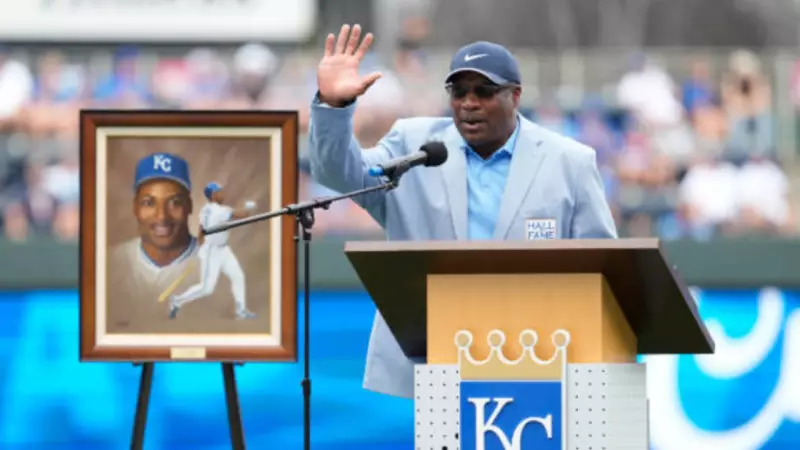
- Bo Jackson
Widely celebrated as a generational athlete for his extraordinary talent and versatile gaming style, Bo Jackson initially approached baseball as a hobby before transitioning to professional play. Despite his remarkable athleticism and cultural impact, Jackson's on-field performance never consistently matched the enormous hype. Throughout his eight-year MLB career, he failed to establish himself as a sustained star player, demonstrating that raw talent alone cannot guarantee baseball excellence at the highest level.
- Brien Taylor
Selected as the number one overall pick by the New York Yankees in 1991, Brien Taylor entered professional baseball with comparisons to pitching legend Dwight Gooden for his exceptional fastball. The Yankees invested heavily in his potential, awarding him a substantial $1.55 million signing bonus. Unfortunately, Taylor never progressed beyond AA-level baseball, and a devastating shoulder injury ultimately derailed his career. Remarkably, he remains the only number one overall draft pick in MLB history who never reached the major leagues.
- Joe Carter
During his prime in the early 1990s, Joe Carter earned five consecutive All-Star selections and achieved baseball immortality with his World Series-winning home run in 1993. Despite these accomplishments, Carter's overall defensive performance was consistently rated below average for a Major League player. This defensive deficiency prevented him from reaching the elite status many predicted, highlighting how even celebrated players can have significant weaknesses that limit their legacy.
- Kris Bryant
Former Chicago Cubs star Kris Bryant secured one of baseball's most lucrative contracts, signing a massive $182 million deal with the Colorado Rockies. Many analysts predicted eventual Hall of Fame induction based on his early career success. However, persistent injury problems have plagued Bryant's later years, causing him to miss approximately 478 games. This extensive absence has made his substantial contract appear increasingly problematic for both the player and his team.
- Mark Appel
The Houston Astros selected Mark Appel as the number one overall pick in the 2013 draft, viewing him as a safe, reliable choice based on his impressive college career. Despite this promising beginning, Appel struggled with confidence issues throughout his MLB tenure and battled multiple injuries that hampered his development. These challenges resulted in consistently underwhelming performances that never approached the expectations associated with a top draft selection.

Lessons for MLB Teams When Overrated Players Underperform
The careers of these five players offer valuable insights for MLB organizations evaluating talent and managing expectations. Teams must balance excitement about potential with realistic assessments of player development, injury risks, and psychological factors. Furthermore, these cases demonstrate how even the most promising prospects can fail to translate their skills to the major league level, emphasizing the unpredictable nature of baseball talent evaluation.
Ultimately, the disparity between hype and performance remains a persistent challenge in Major League Baseball. While anticipation and excitement naturally accompany promising players, these examples serve as cautionary tales about the dangers of unrealistic expectations and the complex factors that determine athletic success at baseball's highest level.