President Droupadi Murmu Celebrates Tribal Sporting Heritage as India's Pride
In a heartfelt address, President Droupadi Murmu has highlighted the extraordinary sporting talent emerging from India's tribal communities, describing it as a source of national pride. She emphasized that children in rural and forested regions naturally develop athletic skills through creative play in outdoor environments.
Natural Ingenuity in Rural Play and Modern Triumphs
Murmu observed that these youngsters often craft their own games using simple, natural materials. They draw lines on the ground to create play areas, use dried fruit-seeds as dice and game pieces, and fashion balls from dry leaves, tree roots, and rags. Even sports equipment like hockey and football goalposts are made from bamboo, showcasing remarkable resourcefulness.
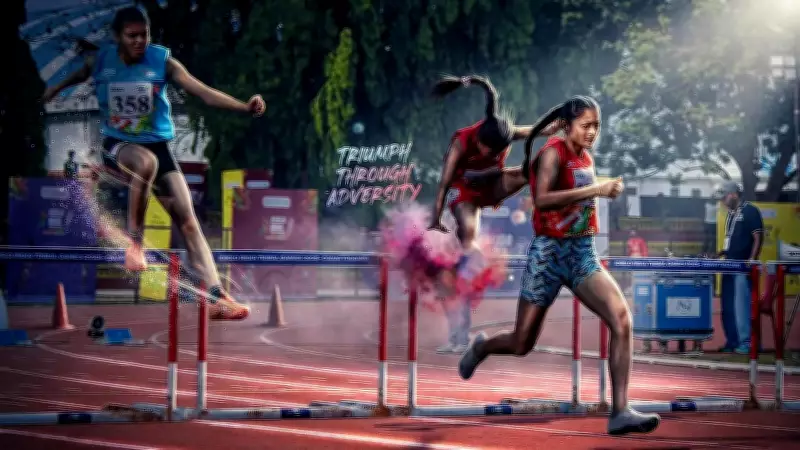
Many children play enthusiastically without shoes or jerseys, and swimming in ponds and lakes is a common activity. This innate talent, when honed with modern training, has led to inspiring successes. A prime example is Anjali Munda, a 15-year-old from Jajpur, Odisha, who won three gold medals on the first day of the inaugural 'Khelo India Tribal Games 2026'. Her achievement has motivated youth across the country, demonstrating how raw potential can be transformed into excellence with proper support.

Historical Legacy of Archery and Government Initiatives
The President noted that tribal communities have a deep-rooted passion for archery, with historical significance. In 1855, the Santhal community's 'Santhal Hool' revolt against exploitation was marked by their martial skills, particularly archery, which even British forces acknowledged in their records. Murmu recalled unveiling statues of the revolt's leaders—Sidho-Kanhu, Chand-Bhairav, and Phulo-Jhano—in Jharkhand during her tenure as Governor.
She also referenced Eklavya, revered as the greatest archer in Indian tradition, who serves as an inspiring icon, especially for tribal youth. To nurture such talent, the government has established 'Sports Excellence Centers' in Eklavya Model Residential Schools, providing modern facilities and training methods. Additionally, schemes are being implemented to identify and train sports talent outside the school system, ensuring broader opportunities for development.
In summary, President Murmu's message underscores the vital role of tribal sports heritage in India's athletic landscape, supported by initiatives like the Khelo India Tribal Games and educational programs, fostering a new generation of champions.