NBA Expansion on the Horizon: Las Vegas and Seattle in Focus for 2028-29 Season
The National Basketball Association is poised to embark on a transformative journey of growth as league owners gear up for crucial discussions on expansion. The upcoming Board of Governors meeting, scheduled for March 24-25 in New York, will serve as the platform for these pivotal talks, with the potential to reshape the league's landscape for decades to come.
Expansion Targets: Las Vegas and Seattle Emerge as Frontrunners
According to reports from renowned NBA insider Shams Charania, the expansion dialogue will zero in on two prominent markets: Las Vegas and Seattle. The league is targeting a potential debut for new franchises in the 2028-29 season, which would mark the NBA's first expansion since the Charlotte Bobcats joined the league back in 2004. This move represents a significant milestone in the NBA's evolution, potentially bringing the total number of teams to 32.
Financial Implications and Competitive Dynamics
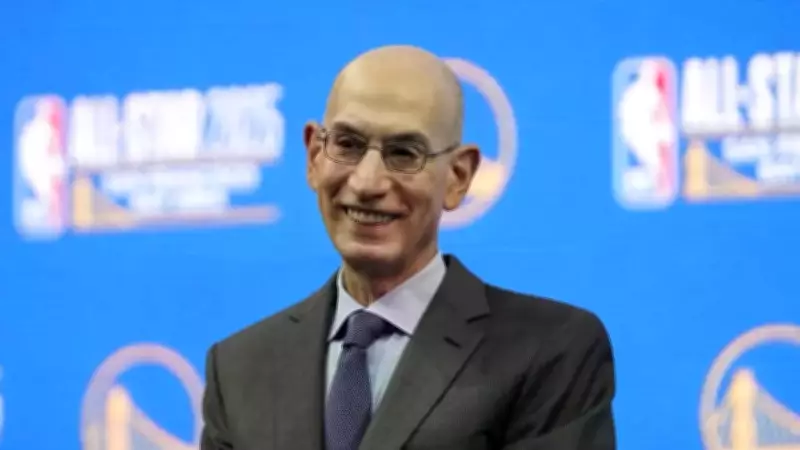
The expansion proposal has generated intense interest across the basketball world due to its profound financial and competitive ramifications. New franchise bids are projected to reach staggering figures between $7 billion and $10 billion, with the substantial revenue being distributed among the league's current 30 owners. NBA Commissioner Adam Silver has previously acknowledged the complexity of this decision, emphasizing that expansion effectively alters ownership shares across the entire league ecosystem.

The Decision Process: What Happens Next?
A formal vote during the upcoming meeting will determine whether the NBA proceeds with studying expansion in these two markets. It's important to note that approval would not immediately create new teams but would instead open the door for ownership bids and more comprehensive evaluation. The proposal requires support from at least 23 of the league's 30 governors to advance to the next phase of consideration.
Las Vegas: A Thriving Sports Destination
Las Vegas has emerged as one of the most compelling expansion markets, having successfully integrated major professional sports franchises in recent years. The city already hosts the Vegas Golden Knights of the National Hockey League and the Las Vegas Raiders of the National Football League, transforming itself into a vibrant sports hub. The tourism factor further strengthens the case, with Las Vegas welcoming more than 40 million visitors annually, providing the NBA with access to a steady stream of travelers and potential fans.
Seattle: A Return to Basketball Heritage
Seattle's potential return carries profound historical significance for the NBA. The city previously hosted the Seattle SuperSonics for over four decades before the team's controversial relocation in 2008, when it became the Oklahoma City Thunder. A new franchise would revive professional basketball in one of the sport's most passionate and enduring markets, reconnecting with a fanbase that has long awaited the return of NBA basketball to the Pacific Northwest.
Challenges for New Franchises
While expansion brings excitement, new teams typically face substantial challenges in their formative years. Historical data reveals that the last seven NBA expansion franchises all struggled during their inaugural seasons, with none finishing better than 22-60. League rules are designed to protect competitive balance, often limiting how quickly new teams can assemble strong rosters. Expansion drafts allow existing teams to shield their key players, leaving fewer impact options available for newcomers.
Financial constraints further complicate early team building. Under the current collective bargaining agreement, expansion franchises would begin with a reduced salary cap before gradually reaching parity with established teams over several seasons. Additionally, draft limitations could affect their ability to acquire top prospects in the initial years, creating a challenging environment for immediate competitiveness.

Structural Impact on the League
If approved, the addition of two new franchises would not only expand the league to 32 teams but would likely necessitate a restructuring of the NBA's competitive framework. This could involve realignment of divisions and conferences, creating new rivalries and altering playoff qualification dynamics. The expansion represents more than just additional teams—it signifies a fundamental evolution in how the NBA organizes and presents its product to a global audience.
The upcoming Board of Governors meeting represents a critical juncture for the NBA's future direction. As owners weigh the substantial financial benefits against competitive considerations and market dynamics, the basketball world watches with anticipation to see if the league will embark on its most significant expansion in nearly two decades.