The High-Stakes Gamble: Packers' Micah Parsons Trade and the 2026 Injury Conundrum
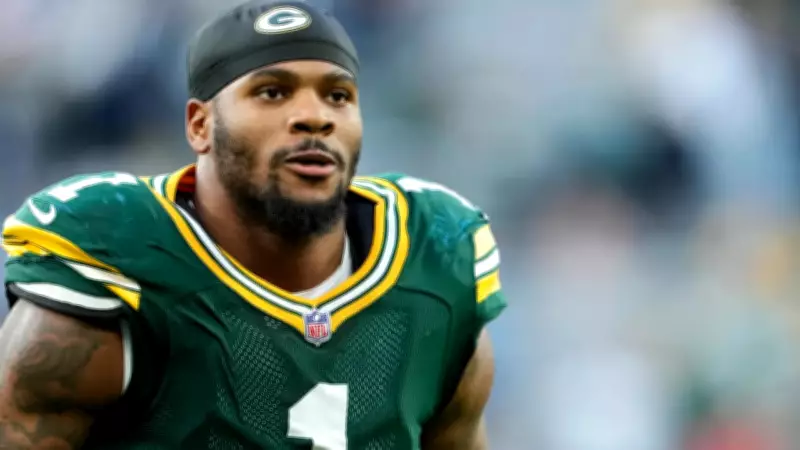
The Green Bay Packers executed what many analysts called the most audacious move in franchise history when they acquired star linebacker Micah Parsons in a blockbuster trade last August. For the initial 14 weeks of the season, this decision appeared to be a masterstroke of football strategy. Parsons didn't merely participate in games; he dominated them with ferocious intensity, accumulating 12.5 sacks and consistently disrupting opposing offenses, turning every quarterback's Sunday into a prolonged nightmare.
The Devastating Turn: ACL Injury Derails Super Bowl Dreams
Everything changed dramatically on December 14, 2025. During a routine play against the Denver Broncos, Parsons suffered an awkward plant that resulted in a torn ACL, instantly extinguishing the Packers' aspirations for a Super Bowl championship. As the organization now prepares for the 2026 NFL kickoff, the financial and competitive repercussions of that season-ending injury are becoming increasingly apparent.
Why Micah Parsons Could Miss the Beginning of the 2026 Season
Despite reports that Parsons has been "flying" through his rehabilitation program since undergoing surgery on December 29th, medical reality presents a sobering timeline. The standard nine-month recovery window for ACL injuries positions his potential return around Week 3 or Week 4 of the regular season. Insiders with knowledge of the team's thinking indicate the Packers might opt to keep their defensive superstar sidelined for an additional 20 to 30 days beyond that benchmark.

The Packers' front office is adopting an extremely cautious approach with their substantial investment. While Parsons has publicly expressed hope for a "Week 1 miracle" comeback, team executives are prioritizing long-term health over short-term gains. Sources suggest the organization would rather absorb a loss in September than risk losing Parsons for another entire season by rushing his return prematurely. This protective strategy represents the most logical course of action, though in the high-pressure environment of the NFL, where every game carries playoff implications, such decisions carry significant weight.
The High Cost of Acquisition and Defensive Consequences
The Packers didn't simply trade for Parsons; they fundamentally reshaped their defensive roster to secure him. The transaction involved sending defensive tackle Kenny Clark along with two valuable first-round draft picks to the Dallas Cowboys, signaling an "all-in" commitment to building their defense around Parsons' extraordinary talents. With him anchoring the lineup, Green Bay transformed into a top-five defensive unit statistically.
The aftermath of Parsons' injury last season proved catastrophic for the team's performance. Following his departure from the field, the Packers lost four consecutive games and suffered an early exit during the Wild Card round of the playoffs. The opening month of the 2026 season will present a monumental challenge for head coach Matt LaFleur and his coaching staff. Without their 12.5-sack defensive terror applying pressure from the edge, the Packers' secondary will face increased exposure and vulnerability.
The Critical Early Season Test and Future Implications
If Green Bay can manage to achieve a 2–2 record by the time Parsons receives medical clearance to return in early October, the organization will likely view that outcome as a successful navigation of adversity. However, should the team stumble to an 0–4 start without their defensive centerpiece, the narrative surrounding the "Trade of the Century" could rapidly shift toward being characterized as a prohibitively expensive miscalculation with long-lasting consequences for the franchise's competitive trajectory.