Chess Mentor RB Ramesh Dissects the Unique Traits of India's Top Three Prodigies
In a revealing interview, celebrated chess coach RB Ramesh has provided an in-depth analysis of the key differences among India's leading chess talents: world champion Gukesh, Arjun Erigaisi, and Praggnanandhaa. These players are not just individual stars but central figures in India's ongoing chess revolution, drawing global attention to the country's growing prowess in the game.
The Mental Fortitude of Indian Chess Players
Speaking to woman grandmaster and content creator Dina Belenkaya on her YouTube channel, Ramesh first addressed the broader context of Indian chess. He emphasized that Indian players generally exhibit remarkable mental toughness compared to their international counterparts. This resilience, he noted, is a foundational element that has propelled India to the forefront of competitive chess, setting the stage for the success of prodigies like Gukesh, Praggnanandhaa, and Arjun Erigaisi.
Arjun Erigaisi: The Complete and Resilient Player
Ramesh highlighted Arjun Erigaisi as perhaps the mentally toughest of the trio. His style is described as enterprising, with an exceptional ability to recover from setbacks. "He can play a tournament badly, and in the next tournament, he can be a monster," Ramesh remarked. This bounce-back capability, combined with superior time management, makes Erigaisi a well-rounded competitor. Ramesh views him as a complete player who excels in maintaining composure and strategic depth across various game scenarios.

Gukesh: The Power of Unshakable Self-Belief
Turning to world champion Gukesh, Ramesh pointed to his insane self-belief as his primary strength. This confidence allows Gukesh to undertake risky or unconventional moves with conviction, often escaping precarious situations unscathed. "He just thinks he is too good, and that helps him; he can do dubious things and still get away with them," Ramesh explained. This unwavering faith in his abilities fuels his courage, enabling him to thrive even under pressure and in complex positions.
Praggnanandhaa: Hidden Strengths and Current Challenges
For Praggnanandhaa, Ramesh expressed a mix of admiration and concern. He acknowledged that, from a purely chess perspective, Praggnanandhaa was once the strongest among the three, with a superior grasp of the game's intricacies. However, Ramesh observed that in recent years, Praggnanandhaa has become more predictable, focusing on solid and stable play at the expense of his earlier versatility. "Some of his main strengths are well-hidden now; they're not visible at all," he noted.
Ramesh identified Praggnanandhaa's ability to handle complicated positions as a key asset, but lamented that his hectic tournament schedule has limited opportunities for self-reflection and growth. "When you are just playing one tournament after another, practically living out of a suitcase, you don't get time to introspect," Ramesh said, suggesting that this lack of personal space might be hindering Praggnanandhaa from rediscovering and integrating his diverse strengths into his current form.
The Broader Impact on Indian Chess
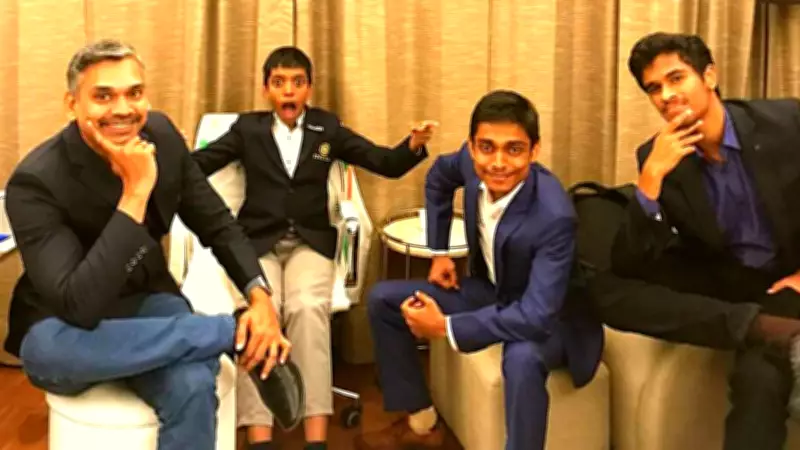
RB Ramesh, who has mentored top players like Praggnanandhaa, Vaishali Rameshbabu, and Aravindh Chitambaram, underscored that these differences among the prodigies are not just individual quirks but reflect the dynamic and multifaceted nature of India's chess landscape. His insights offer a rare glimpse into the strategic and psychological dimensions that define elite chess, highlighting how each player's unique approach contributes to their success and to India's rising status in the global chess community.
As these young stars continue to evolve, Ramesh's analysis serves as a valuable framework for understanding their journeys and the future trajectory of Indian chess on the world stage.