Boston Red Sox Evaluate Masataka Yoshida Trade Options with Houston Astros
As the Boston Red Sox continue to shape their roster ahead of the March 26, 2026, season opener against the Cincinnati Reds, outfielder and designated hitter Masataka Yoshida has emerged as a central figure in trade discussions. With a surplus of outfield talent and a reinforced pitching staff, the team is actively exploring ways to optimize roster composition while alleviating financial pressures.
Health Concerns and Reduced Role for Yoshida
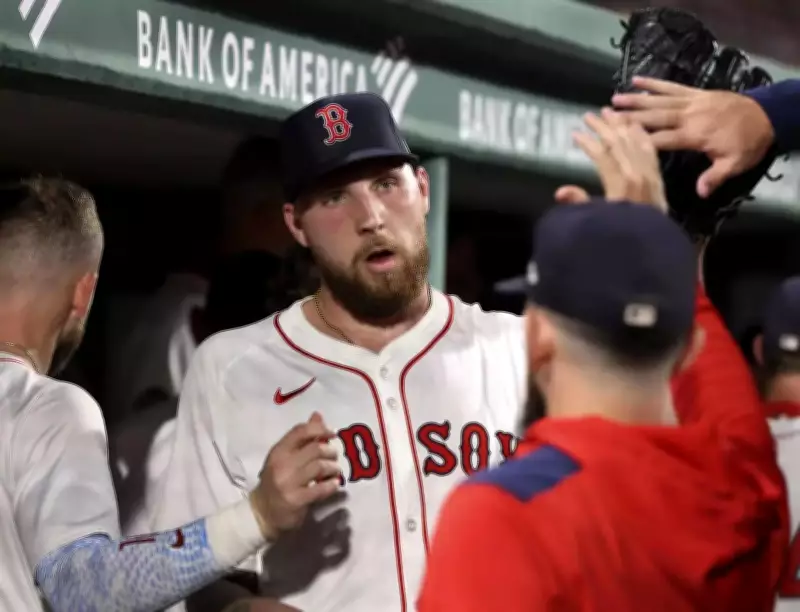
Masataka Yoshida, now 32 years old, is navigating significant health challenges following right shoulder labral surgery after the 2024 season. His recovery impacted the early part of the 2025 campaign, with a return in July limiting him to just 55 games. During that stretch, Yoshida posted a .266/.307/.388 slash line with four home runs and 26 RBIs across 188 at-bats, though his power output noticeably declined post-surgery.
Primarily utilized as a designated hitter with sporadic outfield appearances, Yoshida's opportunities have diminished due to Boston's depth. Emerging talents like Jarren Duran, Ceddanne Rafaela, Wilyer Abreu, and Roman Anthony have crowded the outfield, and concerns about his shoulder persist as 2026 spring training progresses.

Proposed Trade Framework with Houston Astros
One prominent trade scenario links the Red Sox with the Houston Astros. In this potential deal, Boston would acquire infielder Isaac Paredes, while sending Masataka Yoshida and pitching prospect Kyson Witherspoon to Houston. The rationale centers on reducing roster overlap and shifting salary commitments, with Yoshida's established international performance adding negotiation leverage.
Comparative Analysis: Yoshida vs. Paredes
Masataka Yoshida: At age 32, Yoshida played 55 games in 2025, batting .266/.307/.388 with 4 home runs and 26 RBIs. He carries an $18 million salary for 2026.
Isaac Paredes: The 26-year-old infielder appeared in 102 games last season, hitting .254/.352/.458 with 20 home runs and 53 RBIs, despite managing a hamstring issue. He is under team control through 2027 with a $9.35 million salary for 2026.
Paredes offers superior power, defensive versatility across multiple infield positions, and effectiveness against left-handed pitching, all at a significantly lower cost.
Strategic Benefits for Both Teams
For the Boston Red Sox: This move would clear over $9 million in salary, introduce a younger power bat capable of covering first or third base, and alleviate outfield congestion. It also creates additional flexibility at designated hitter, especially with Triston Casas anticipated to return.
For the Houston Astros: Houston would gain a left-handed contact hitter with a career .282 average, complementing slugger Yordan Alvarez. The addition of pitching prospect Kyson Witherspoon would further bolster their organizational pitching depth.
Inherent Risks and Considerations
The Red Sox would sacrifice Yoshida's proven contact skills if he regains form, while Paredes brings his own injury history from the previous season. Conversely, the Astros assume risk with Yoshida's defensive limitations and ongoing shoulder concerns, while parting with a controllable power hitter in Paredes.
Boston's Pitching Stability Enables Roster Maneuvers
Boston's rotation stands as a strength entering 2026, anchored by Garrett Crochet, Sonny Gray, and Ranger Suarez, with Brayan Bello and Johan Oviedo providing support. This pitching stability allows the front office to prioritize roster balance, and moving Yoshida could free resources to address pitching needs later in the season if necessary.
From a long-term perspective, the trade appears favorable for Boston, offering enhanced flexibility, a younger asset, and a more streamlined roster. Houston would improve its immediate lineup, but Yoshida's health uncertainties temper the overall value of the acquisition.