Russia's 2028 World Cup Ambitions Spark European Boycott Crisis
Russia's determined campaign to participate in the 2028 Ice Hockey World Cup has ignited a serious boycott threat from several European nations, creating a pivotal moment for the sport's global governance. What began as a distant policy consideration has rapidly escalated into a defining test of unity within the International Ice Hockey Federation (IIHF), with the timing presenting significant challenges for hockey's international aspirations.
European Nations Draw Hard Line Against Russian Participation
According to a report from respected Czech hockey journalist Robert Rampa, multiple European hockey powers have established a firm position against Russia's potential inclusion. Czechia, Finland, and Sweden have reportedly indicated their willingness to withdraw from the tournament if Russia is permitted to compete, transforming what was once theoretical opposition into concrete action.
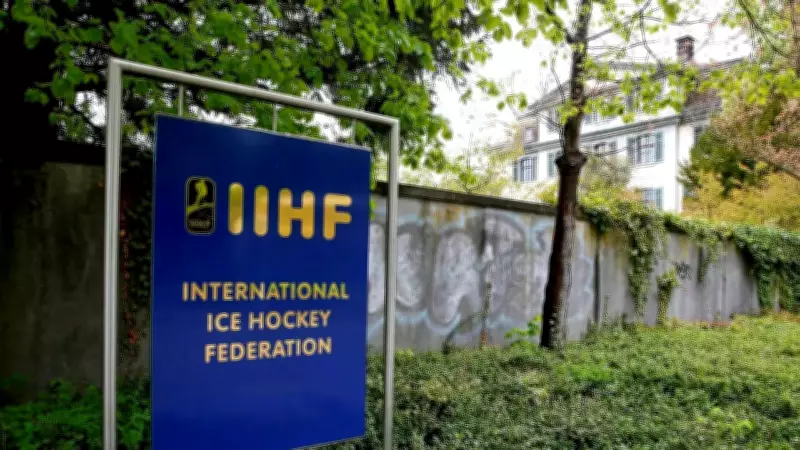
This stance emerges at a particularly delicate juncture, as the IIHF maintains its ban on Russia and Belarus that was implemented following Russia's 2022 invasion of Ukraine. While the federation has left open the possibility of future review, the scheduled May assessment now carries unprecedented weight and consequence.

IIHF Leadership Faces Mounting Pressure
The federation's official position remains cautiously worded but increasingly scrutinized. In a statement issued last year, the IIHF declared it "believes it is not yet safe to reintegrate" Russia and Belarus, citing security concerns that prevent "the organization of tournaments guaranteeing the safety of all."
IIHF president Luc Tardif has previously expressed hope for Russia's eventual return to international competition "as soon as conditions allow," but the growing European resistance presents a substantial obstacle to this objective. The federations opposing Russia's inclusion appear resolute in their stance, at least in their public declarations.
NHL's Position Adds Another Layer of Complexity
The National Hockey League has established its own position that further complicates the situation. Commissioner Gary Bettman has made clear that the NHL will align with the broader international consensus regarding the 2028 World Cup. While the league isn't driving the decision-making process, it will undoubtedly experience the consequences of whatever outcome emerges.
This creates a multi-layered challenge: the IIHF must balance its governance responsibilities, the NHL awaits direction, and European nations threaten to withdraw their participation entirely.
Tournament Integrity at Stake
The potential ramifications extend far beyond diplomatic tensions. The 2028 World Cup is already structured as an eight-nation competition with games scheduled in Calgary, Edmonton, and Prague. The withdrawal of even one major hockey nation would disrupt the competitive balance, while the absence of three traditional powers like Sweden, Finland, and Czechia could fundamentally undermine the tournament's credibility.
From a purely hockey perspective, the dilemma is pronounced. Russia would bring elite talent capable of elevating the competition and attracting global attention. Yet the European nations threatening boycott offer equally vital elements: established structure, competitive depth, and institutional credibility. Their absence wouldn't merely weaken the field—it would transform how the entire tournament is perceived internationally.
A Defining Moment for International Hockey
This confrontation represents more than a simple eligibility dispute. It has evolved into a critical examination of whether major international hockey events can maintain their competitive integrity amid complex geopolitical pressures. The decisions made in the coming months will determine not only which nations participate in the 2028 World Cup, but whether the tournament can preserve its fundamental character before the first puck is ever dropped.
The IIHF now faces a profound credibility test, caught between Russia's determined push for reinstatement and Europe's growing resistance to that prospect. How the federation navigates this challenge will shape international hockey's trajectory for years to come, with implications extending far beyond the 2028 competition itself.