Lindsey Vonn's Olympic Dream Shattered by Violent Downhill Crash
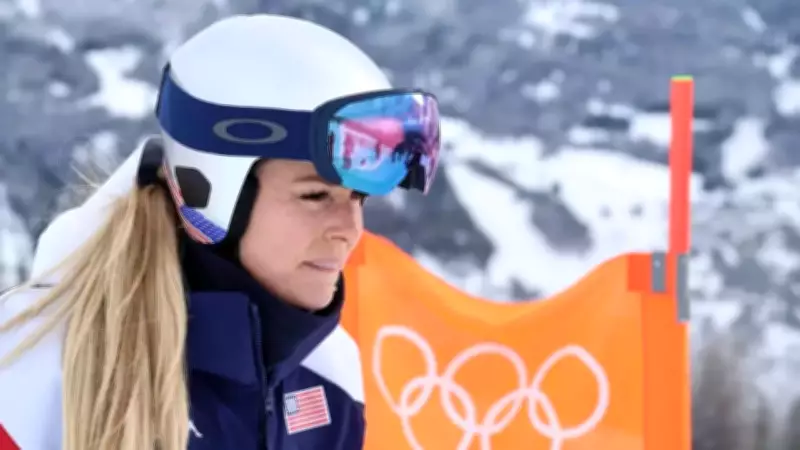
Lindsey Vonn's highly anticipated return to the Olympic stage concluded in devastating fashion on Sunday, as a violent crash during the women's downhill event in Cortina d'Ampezzo left the skiing legend with a severe injury. The incident, which occurred just thirteen seconds into her run, saw Vonn lose control at racing speed, sending her tumbling into the snow where she remained motionless for over fifteen minutes.
Emergency Response and Hospitalization
Medical personnel rushed to the slope to provide immediate treatment to the fallen athlete. After initial assessment and stabilization, Vonn was airlifted via helicopter to a nearby hospital for comprehensive medical care. The gravity of the situation became apparent in the aftermath, with Vonn herself confirming the diagnosis of a complex tibia fracture.
Understanding the Complex Tibia Fracture
A complex tibia fracture represents one of the most severe bone injuries an athlete can sustain. This type of fracture involves multiple breaks in the shin bone, typically accompanied by significant soft tissue damage. The tibia, being the second largest bone in the human body, plays a crucial role in weight bearing and movement, making such injuries particularly debilitating.

Medical literature from sources including the National Library of Medicine at NIH indicates that tibia fractures of this nature present substantial treatment challenges. The bone may fragment into numerous pieces or even protrude into adjacent joints like the knee or ankle. Surgical intervention focuses on realigning the bone fragments and providing stabilization through various medical devices.
The recovery process for complex tibia fractures is notoriously lengthy and fraught with potential complications. Patients often face extended rehabilitation periods and risk developing chronic pain or joint problems, necessitating multiple surgical procedures over time.
Vonn's Personal Account and Perspective
In a detailed Instagram post, the 41-year-old skier addressed her injury and the abrupt end to her Olympic aspirations. "Yesterday my Olympic dream did not finish the way I dreamt it would," Vonn wrote. "It wasn't a story book ending or a fairy tale, it was just life. I dared to dream and had worked so hard to achieve it."
She provided technical insight into the crash's cause, explaining: "In Downhill ski racing the difference between a strategic line and a catastrophic injury can be as small as 5 inches. I was simply 5 inches too tight on my line when my right arm hooked inside of the gate, twisting me and resulting in my crash."
Vonn specifically addressed speculation about her medical history, stating unequivocally: "My ACL and past injuries had nothing to do with my crash whatsoever."
Medical Details and Recovery Outlook
The athlete confirmed the fracture's stability but acknowledged the complexity requiring multiple surgeries for proper fixation. Despite the physical pain and challenging recovery ahead, Vonn expressed no regrets about her Olympic attempt.
"While yesterday did not end the way I had hoped, and despite the intense physical pain it caused, I have no regrets," she stated. "Standing in the starting gate yesterday was an incredible feeling that I will never forget. Knowing I stood there having a chance to win was a victory in and of itself."
Vonn concluded her message with philosophical reflection: "I tried. I dreamt. I jumped." Given the severity of the injury combined with her age, this incident likely marks the conclusion of Vonn's legendary competitive skiing career, which includes four World Cup overall championships and Olympic gold and bronze medals.
The Broader Implications for Alpine Skiing
This incident highlights the razor-thin margins between success and catastrophe in elite downhill skiing. The sport demands perfect execution at speeds exceeding 80 miles per hour, where minor miscalculations can have dramatic consequences. Vonn's crash serves as a sobering reminder of the risks inherent in alpine competition, even for the most experienced athletes.

The skiing community has rallied around Vonn, expressing support for her recovery journey. Medical experts anticipate a lengthy rehabilitation process that will test both her physical resilience and mental fortitude as she transitions from competition to recovery.