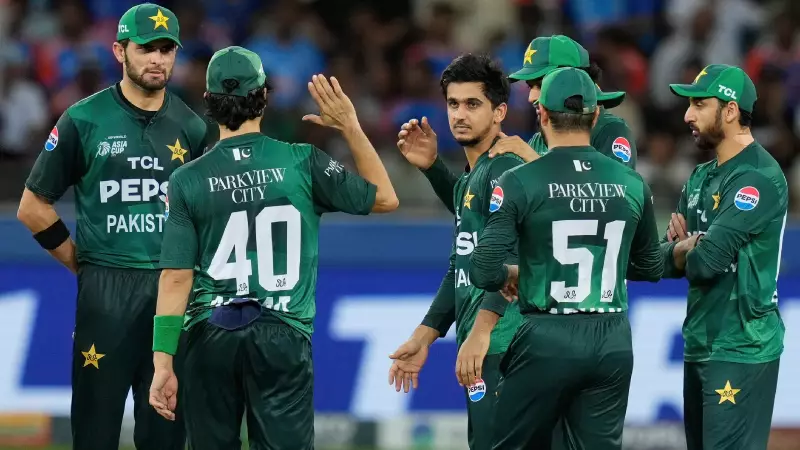
Former Pakistan Cricketer Basit Ali Advocates for Playing India with Black Armbands Instead of Boycott
In a significant development ahead of the upcoming T20 World Cup, former Pakistan cricketer Basit Ali has publicly opposed any potential boycott of India-Pakistan cricket matches. Instead, he has proposed that the Pakistan team should participate while wearing black armbands as a form of peaceful protest.
Basit Ali's YouTube Appeal to Cricket Authorities
Speaking on his popular YouTube channel BasitAliShow, the former cricketer made a direct appeal to key decision-makers in cricket administration. "Pakistan should not boycott, but wear black arm band and play India game," Basit emphasized during his broadcast. He specifically addressed PCB chairman Mohsin Naqvi, Pakistan's prime minister, and ICC official Jay Shah, urging them to make decisions that prioritize the health of international cricket.
Cricket's Political Dimensions and Timing Concerns
Basit Ali expressed concern about cricket becoming increasingly politicized, stating that the sport is no longer just a "gentleman's game." He questioned the timing of any potential boycott, asking why Pakistan would wait until the high-profile senior World Cup clash on February 15. "Why wait for Feb 15 India vs Pakistan game at the T20 World Cup? If you have to boycott, do it on Feb 1st Pakistan vs India U-19 World Cup game," he suggested.

The former cricketer revealed that his Indian friends had also advised Pakistan to "fire your first punch at the U-19 World Cup" rather than targeting the men's senior event. He warned that previous decisions in cricket administration, including the removal of Bangladesh from a World Cup, had already caused damage to the sport, with side effects that continue to linger.
Potential Consequences of Boycott Actions
Basit Ali cited historical precedents, mentioning Australia's past World Cup forfeit against Sri Lanka, noting that while Pakistan could legally forfeit a match, the consequences would be severe. He particularly highlighted concerns for broadcasters and the overall tournament structure. "Do it in the U-19 World Cup, you will get to know the effect," he stated, while simultaneously stressing that such steps would not benefit cricket in the long run.
The former player warned that if Pakistan boycotted the crucial match, the entire World Cup could suffer significant damage. He explained that even removing Pakistan from the tournament would diminish its competitiveness and global appeal, creating a lose-lose situation for all stakeholders.
ICC's Stance on Potential Pakistan Boycott
Meanwhile, sources within the International Cricket Council have revealed to The Indian Express that if Pakistan decides to boycott the T20 World Cup and refuses to participate in the tournament, the ICC is prepared to impose substantial sanctions. These potential measures include:
- Suspension of all bilateral cricket series involving Pakistan
- Denial of No Objection Certificates (NOCs) for foreign players participating in the Pakistan Super League (PSL)
- Exclusion from future Asia Cup tournaments
An ICC source confirmed, "If Pakistan also decides not to play the T20 World Cup, the ICC will impose a series of sanctions, including no bilateral series with any international team, no NOC for foreign players in PSL, and no Asia Cup participation."
The Broader Impact on International Cricket
Basit Ali's intervention comes at a critical juncture for India-Pakistan cricket relations. His suggestion of wearing black armbands represents a middle path between complete boycott and unconditional participation. This approach acknowledges political tensions while preserving the sporting spectacle that millions of cricket fans worldwide anticipate.
The former cricketer's warnings about cricket's politicization reflect growing concerns within the international cricket community about maintaining the sport's integrity amid geopolitical tensions. His appeal to authorities emphasizes the need for decisions that protect cricket's long-term interests rather than short-term political considerations.

As the T20 World Cup approaches, all eyes remain on how cricket administrators will navigate these complex diplomatic waters while ensuring the tournament's success and maintaining the spirit of international cricket competition.