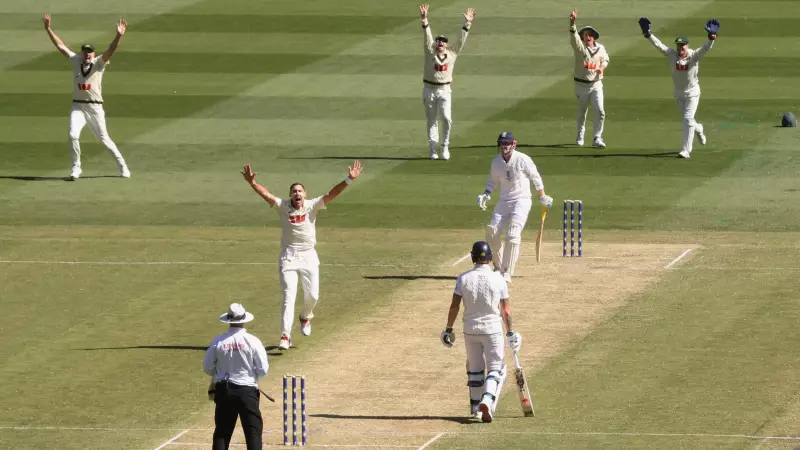
The opening day of the fourth Ashes Test at the Melbourne Cricket Ground turned into a bowler's paradise, sparking intense debate and criticism from former players. A staggering 20 wickets fell on Day 1, leading to sharp scrutiny of the pitch's behaviour and balance between bat and ball.
Broad Leads Charge Against 'Excessive Movement'
Former England fast bowler Stuart Broad, commentating on SEN Radio, did not mince his words in his assessment of the surface. He argued that the strip was providing an unfair advantage to the bowlers, deviating from the characteristics of a classic Test wicket.
"The pitch is doing too much, if I'm brutally honest," Broad stated. "Test match bowlers don't need this amount of movement to look threatening. Great Test matches pitches, generally, they bounce, but they don't jag all over the place." His comments highlighted a growing concern that the contest had become excessively skewed.

A Day of Dramatic Collapses at the MCG
The action unfolded rapidly after England captain won the toss and elected to bowl first. The decision proved immediately fruitful as the English attack, led brilliantly by pacer Josh Tongue who took a five-wicket haul, dismantled the Australian batting lineup. The hosts were bundled out for a meagre 152 runs in their first innings.
Any thoughts of an English batting advantage were quickly erased. The Australian pace trio of Mitchell Starc, Michael Neser, and Scott Boland retaliated with equal ferocity. They ripped through the English order, restricting the visitors to just 110 runs. This gave Australia a slender but significant 42-run lead.
Australia faced just one over in their second innings, ending the dramatic day with an overall lead of 46 runs. The sheer volume of wickets falling raised immediate red flags about the pitch's nature.
Former Captains and Legends Voice Their Concerns
Broad was not alone in his criticism. Former England captain Alastair Cook echoed the sentiment, calling the contest "unfair" and suggesting the bowlers had it too easy. "The bowlers didn't have to work hard for their wickets," Cook said. "It was an unfair contest. I don't know how you hit it [the ball]."
Australian bowling great Glenn McGrath offered a technical perspective, noting the excessive grass on the pitch. "That pitch has too much life in it for Test cricket," McGrath observed. He speculated that the groundsman might have been overly concerned with the later days of the Test, potentially setting up a scenario where England could bat in the fourth innings in the best conditions.
"It could get to the stage where England are batting in the fourth innings in the best batting conditions of the match," McGrath added, suggesting a possible twist in the tale if the pitch settles down.
The unprecedented events at the Melbourne Cricket Ground have undoubtedly put the focus squarely on pitch preparation. With the Ashes series poised delicately, the nature of the surface will continue to be a major talking point as the match progresses, questioning the ideal balance that makes for compelling, long-form cricket.