Ideal Weather Conditions Set for T20 World Cup 2026 Final Clash
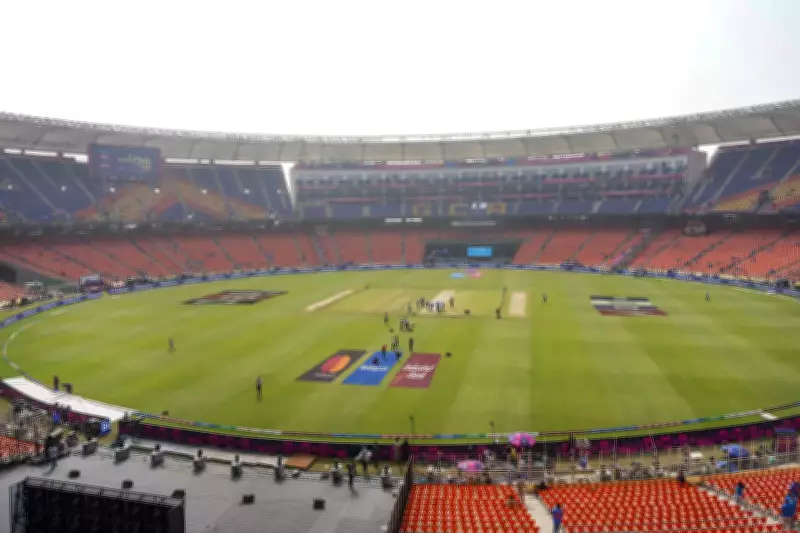
As India and New Zealand prepare for their historic showdown in the T20 World Cup 2026 final at Ahmedabad's Narendra Modi Stadium this Sunday, meteorological reports indicate perfect playing conditions will prevail throughout the night match. The defending champions India aim to secure an unprecedented third T20 World Cup title, while New Zealand seeks their maiden trophy in this format, setting the stage for an electrifying contest under clear skies.
Detailed Meteorological Forecast for the Final
According to the latest weather analysis, conditions during the championship match will remain completely clear and warm, with temperatures expected to settle around 23°C, closely matching the actual feel of the environment. Wind patterns will originate from the northwest at approximately 9 kilometers per hour, with occasional gusts potentially reaching 20 km/h. Most significantly, the probability of precipitation and thunderstorms stands at zero percent, with no anticipated cloud cover or rainfall whatsoever.
This meteorological certainty means weather interruptions are highly improbable during the final, allowing both teams to focus entirely on their strategic gameplay without environmental concerns. The stadium atmosphere is projected to remain vibrant and energetic with a capacity crowd expected to fill the stands, creating an ideal backdrop for championship cricket.

Historical Context and Championship Stakes
The rivalry between these cricketing nations adds substantial weight to this encounter, as India and New Zealand have faced each other thirty times in T20 internationals. India currently leads this head-to-head record with eighteen victories, while New Zealand has claimed eleven wins. Beyond individual match statistics, the championship implications are monumental: India could become the first team in history to win three T20 World Cup titles, while New Zealand could finally capture their first trophy in this format after several near-misses in previous tournaments.
Contingency Planning and Historical Precedents
Although current forecasts eliminate weather concerns, International Cricket Council regulations provide comprehensive contingency measures for such high-stakes events. The rules allow for 120 minutes of extra time to complete at least ten overs per side, which represents the minimum requirement for achieving a result in a T20 World Cup final. Should unforeseen circumstances prevent completion on the scheduled day, a designated reserve day on March 9 would be activated, with play resuming precisely from where it stopped.
In the extremely unlikely scenario where weather prevents a conclusive result even after utilizing the reserve day, the trophy would be shared between both teams. This outcome has occurred only once before in ICC tournament history, during the 2002 Champions Trophy final between India and Sri Lanka, making it a rare but established protocol.
Atmospheric Conditions and Match Dynamics
The clear weather forecast not only ensures uninterrupted play but also creates optimal conditions for both batting and bowling performances. The absence of cloud cover typically favors batting sides, while consistent temperatures allow bowlers to maintain their rhythm without atmospheric disruptions. These conditions promise to showcase both teams' skills at their highest level, potentially producing a classic final remembered for cricketing excellence rather than weather interventions.
With meteorological certainty now established, cricket enthusiasts worldwide can anticipate a thrilling, uninterrupted finale to the T20 World Cup 2026 tournament. The stage is perfectly set at Narendra Modi Stadium for what promises to be a memorable championship decider between two determined cricketing nations.