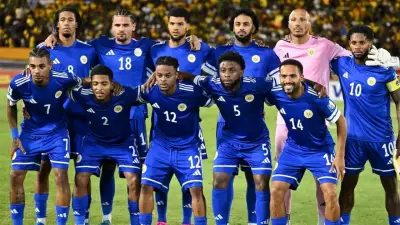
Deniz Undav came off the bench to score a brace, leading Germany to a dramatic 2-1 comeback victory over Ivory Coast in their FIFA World Cup 2026 Group E clash on Saturday in Toronto. The win secured Germany's place in the knockout stage for the first time since their 2014 title-winning campaign.
First half: Ivory Coast takes the lead
Germany thought they had scored early when the ball hit the net before the first hydration break, but the effort was ruled out due to a foul on Ivory Coast goalkeeper Yahia Fofana. The deadlock was broken in the 30th minute when Ivory Coast captain Franck Kessie slotted past Manuel Neuer to give his side the lead. Germany had a goal from Kai Havertz disallowed for a foul, keeping the score 1-0 at halftime.
Second half: Undav's impact
The breakthrough for Germany came in the 64th minute when substitute Deniz Undav powered a finish into the net to level the score. As Germany pressed for a winner, Undav struck again in stoppage time, scoring in the 94th minute to complete the turnaround and secure all three points.

Group standings and records
The result puts Germany top of Group E with six points from two matches, confirming their qualification for the last 32. Ivory Coast remain on three points after two games, with Ecuador and Curacao scheduled to meet later in Kansas City.
According to Opta Analyst, Deniz Undav became the first German player since Miroslav Klose in 2002 to score in each of his first two World Cup matches. Undav has been involved in five goal involvements off the bench, matching Roger Milla's 1990 record for the most goal involvements as a substitute at a single World Cup since 1966. Germany substitutes have contributed to six goals at the 2026 World Cup, the most of any nation.
Goalkeeper Manuel Neuer created history by making his 21st World Cup appearance, the most by any goalkeeper in tournament history, surpassing France's Hugo Lloris.
Ivory Coast's Franck Kessie, who opened the scoring at 29 years and 183 days, became the second-oldest goalscorer for the Ivory Coast in World Cup history, behind only Didier Drogba, who scored in 2010 at age 32 years and 101 days, according to Opta.