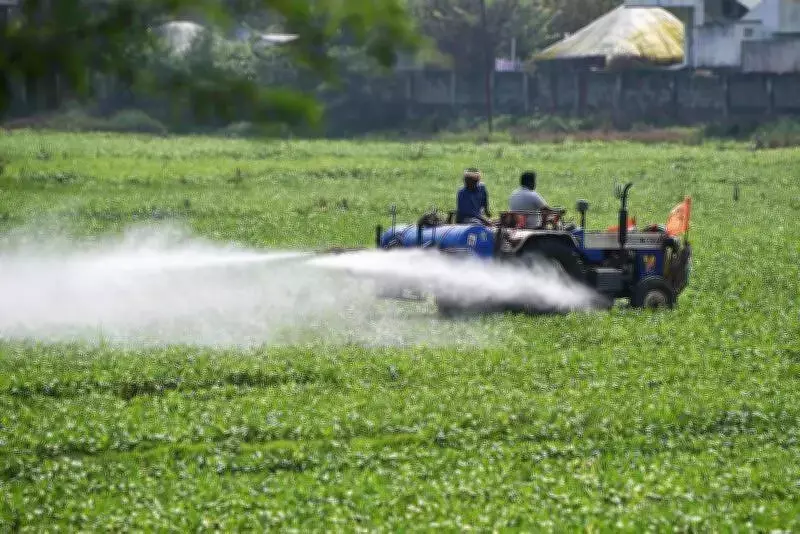
A diesel shortage reported in parts of the North Andhra region over the past week has disrupted paddy harvesting and affected shrimp and fish farming activities. The shortage, attributed to reduced supplies by oil companies, is mainly visible in Alluri Sitarama Raju district and parts of Vizianagaram.
Supply curtailment and impact on farming
According to Visakhapatnam Petrol Bunks Association representative Narayana Reddy, North Andhra has around 600 petrol bunks, including private outlets. Although oil companies have denied any scarcity, supplies—particularly diesel—have been curtailed. He said there is no panic situation so far.
The combined Visakhapatnam district has around 350 petrol bunks, with daily petrol consumption at about 12.25 lakh litres and diesel consumption at approximately 15.75 lakh litres. However, diesel availability remains below normal levels.

Restrictions on diesel sales
In the combined Srikakulam district, which has 90 petrol bunks, the daily petrol consumption is around 1.8 lakh litres, while diesel consumption is 2.7 lakh litres. Srikakulam District Petrol Bunks Association leader Gautam told TOI that oil companies have restricted supplies. "We are not allowed to sell more than 50 litres even to lorries and other four-wheelers. If we exceed that limit, the online system flags it, and companies issue warnings or stop the next supply," he said.
In the combined Vizianagaram district, only about 55% of the normal fuel supply is being provided. The district consumes roughly 2.8 lakh litres of petrol and 4.5 lakh litres of diesel daily through 158 petrol bunks.
Public reaction and price hikes
Commenting on the situation, Vizianagaram-based teacher V Bhaskara Rao said public protests used to erupt when fuel prices were raised by 30 or 50 paise decades ago. "Now private bunks have increased prices by Rs 5 at one stroke, citing the war as the reason," he remarked.
The diesel shortage has disrupted paddy harvesting, which is currently underway, and has also affected shrimp and fish farming activities that rely on diesel-powered pumps and boats. Farmers and aquaculture operators are facing difficulties as they struggle to secure adequate fuel for their operations.