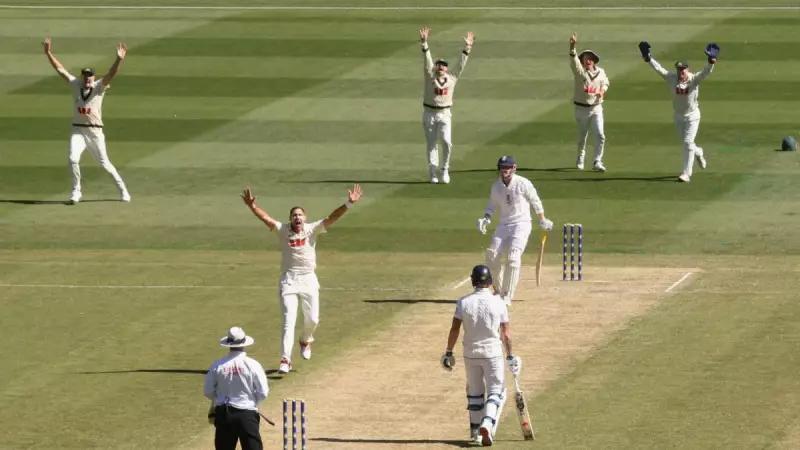
The hallowed turf of the Melbourne Cricket Ground (MCG), traditionally a stage for epic battles, found itself at the centre of a storm on the opening day of the Boxing Day Test. Instead of a gradual narrative, the day unfolded in a whirlwind of wickets, leaving experts and fans alike questioning the very surface the contest was played on. A staggering 15 wickets tumbled on December 26, 2025, as Australia and India locked horns in the second Test, with the pitch drawing sharp criticism from former players and pundits.
A Rollercoaster Day of Cricket
The drama began early after Australian captain Pat Cummins won the toss and elected to bat first. His decision quickly backfired as the Indian pace attack, led brilliantly by the returning Jasprit Bumrah, ran riot. Bumrah, playing his first Test of the series, was virtually unplayable, extracting disconcerting bounce and movement. He was ably supported by Mohammed Siraj, and together they skittled the Australian batting line-up. Australia was bundled out for a paltry 131 runs in just 49.1 overs, with Bumrah claiming a magnificent five-wicket haul.
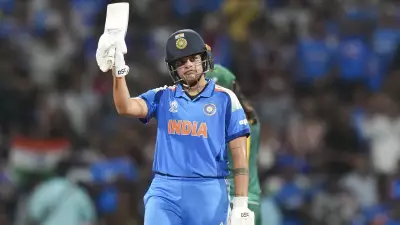
However, any thoughts of Indian dominance in their reply were swiftly erased. The Australian pace trio of Pat Cummins, Mitchell Starc, and Josh Hazlewood retaliated with equal ferocity, exploiting the same treacherous conditions. The Indian top order had no answers as the ball seamed, bounced, and occasionally kept dangerously low. At Stumps on Day 1, India found themselves reeling at 108 for 5, trailing by a mere 23 runs, with the match hanging in a precarious balance. Wicketkeeper-batter KL Rahul, fighting a gritty unbeaten 27, and all-rounder Ravindra Jadeja were the not-out batsmen.

Experts Voice Concerns Over Pitch Preparation
The nature of the collapse on both sides shifted the spotlight squarely onto the MCG pitch. Renowned cricket commentators and former legends did not mince their words in their assessment. The overwhelming sentiment was that the pitch was "doing too much", offering excessive assistance to the fast bowlers from the very first session and undermining the contest between bat and ball.
Prominent experts pointed out that while a sporting pitch with some pace and bounce is desirable, the surface prepared for this Boxing Day Test crossed the line. They argued that it provided an unfair advantage to the bowlers, making quality stroke-play nearly impossible and reducing the game to a lottery. The criticism centred on the lack of consistency in bounce, with several balls shooting along the ground while others leapt alarmingly from a length.
This kind of surface, they contended, risks shortening the match significantly and detracts from the spectacle that a marquee event like the Boxing Day Test promises to millions of fans worldwide. The call was for curators to prepare challenging but fair wickets that test the skill of both batters and bowlers over five days.
Implications for the Test and Series
The chaotic first day has set up a potentially short but thrilling Test match. With 15 wickets already gone and only a 23-run lead for Australia, the game is on a knife's edge. The outcome could hinge on the first session of the second day, where India will aim to build a lead while Australia seeks to wrap up the tail quickly.
Beyond this match, the pitch debate raises larger questions about pitch preparation in modern Test cricket. The incident at the MCG will undoubtedly fuel ongoing discussions about finding the right balance to preserve the integrity and appeal of the longest format. For now, all eyes will be on how the pitch behaves over the next few days and whether it settles down or continues to be the primary protagonist in this high-stakes drama between two cricketing giants.