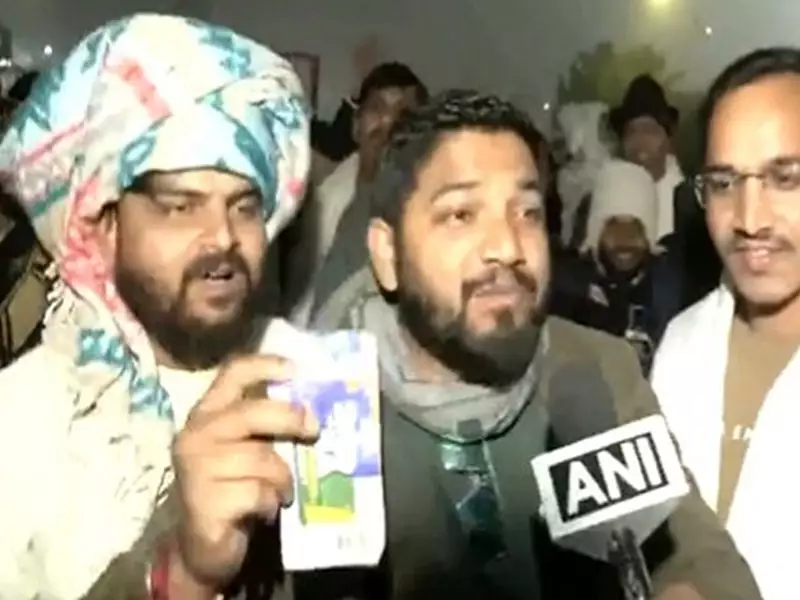
The fourth T20 International between India and South Africa in Rajkot turned from a night of anticipated cricketing spectacle into a scene of profound disappointment and financial distress for hundreds of fans. The match at the Saurashtra Cricket Association Stadium was abandoned without a single ball being bowled on June 17, 2024, due to a wet outfield following persistent rain.
A Dream Turned Sour: The Human Cost of a Washout
For many spectators, the cost of entry went far beyond the ticket price printed on their passes. In a country where cricket is a passion, fans had made significant sacrifices to witness their heroes in action. One particularly heart-wrenching account came from a fan who revealed he had to sell three sacks of wheat from his family's produce to afford the tickets for himself and his companions.
"I sold three sacks of wheat to buy these tickets," the distraught fan stated, capturing the economic reality for countless supporters. "I want my money back. What is the use of these tickets now? We are from a farming family. We saved money to buy these tickets after a lot of effort." His story is not isolated. Another fan expressed collective anger, stating they felt "cheated" after the abrupt cancellation, having spent hard-earned money and time for the event.

The Official Response and Refund Policy
Following the abandonment, the spotlight turned to the authorities and the official refund process. The Saurashtra Cricket Association (SCA), the host body, along with the Board of Control for Cricket in India (BCCI), typically have protocols for such scenarios. While the specific details for this event were being finalized, standard procedure dictates that full refunds are issued for matches completely abandoned without any play.
Fans are generally advised to retain their original tickets and await official communication from the ticketing platform or the host association regarding the refund window and method. The abandonment not only affected fans but also had implications for the series, which was poised at 1-1 after the first three games. The final match of the series was scheduled to be played in Bengaluru.
Broader Implications and Fan Sentiment
This incident in Rajkot raises persistent questions about scheduling matches during the monsoon season and the adequacy of drainage facilities at stadiums. While rain is uncontrollable, the financial and emotional impact on fans, especially those from modest backgrounds, is immense and often overlooked.
The frustration voiced by fans who sold agricultural produce highlights a deeper connection between the sport and its supporters in India. It underscores that for many, a cricket ticket is not merely a purchase but an investment of hope and a rare luxury. The swift and transparent processing of refunds is, therefore, not just a transactional obligation but a moral one to maintain trust within the cricketing community.
As the teams moved to Bengaluru for the series decider, the memories of the Rajkot washout served as a stark reminder that cricket's true stakeholders are the fans in the stands, whose sacrifices and passion fuel the game's immense popularity across the nation.