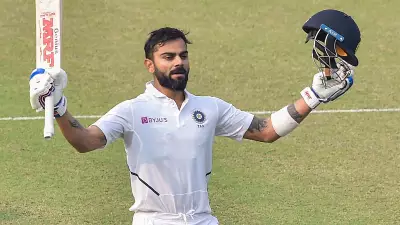
Young Kolkata Knight Riders fast bowler Harshit Rana has expressed strong support for the International Cricket Council's recent change to the One Day International playing conditions, stating it provides crucial assistance to bowlers.
A Welcome Change for Pace Attackers
The new regulation, which came into effect from the start of this month, mandates the use of two new balls from each end once again, reverting from the previous rule of a single ball for the entire innings. This shift is seen as a direct response to the increasing dominance of bat over ball in the 50-over format.
Harshit Rana, who has made a name for himself in the Indian Premier League with his aggressive pace and clever variations, believes this adjustment is a game-changer. The 22-year-old pacer emphasized that the rule helps bowlers maintain seam movement and swing for longer periods during an innings. He explained that with a single ball used for 50 overs, it would often become very soft and lose its shape, making it extremely difficult for bowlers to generate any late movement or grip off the pitch in the crucial middle and death overs.

Impact on Bowling Strategies and Game Balance
This rule revision fundamentally alters bowling strategies. Teams can now plan their bowling attacks with more certainty, knowing the ball will retain its hardness and condition. For fast bowlers like Rana, who rely on seam presentation and occasional reverse swing, having a harder ball for a larger portion of the innings is a significant advantage.
"This is very helpful for us," Rana stated, reflecting on the new rule. His comments highlight a broader sentiment among the bowling community, which has long advocated for regulations that restore a better balance between bat and ball. The previous single-ball rule was often criticized for tilting the game overwhelmingly in favor of batsmen, especially on flat subcontinental pitches where high scores became commonplace.
The return to two new balls is expected to:
- Enhance conventional swing in the early powerplay overs.
- Allow for the potential of reverse swing later in the innings as each ball will only be used for 25 overs per side.
- Provide better grip for spinners as the ball's seam remains more pronounced.
- Encourage more skillful bowling rather than purely defensive containment.
Looking Ahead to the International Stage
While Rana's recent performances have been in the T20 arena with KKR, his insights are relevant for the ODI format's future. The rule change will directly impact upcoming bilateral series and major tournaments like the ICC Champions Trophy and the next Cricket World Cup. Bowlers who can skillfully exploit the conditions offered by the newer ball for longer durations will become even more valuable assets to their national teams.
This development is particularly noteworthy for Indian cricket, which is continuously searching for robust fast-bowling options across all formats. Young talents like Harshit Rana, who are adept at leveraging such technical advantages, could find their skills in higher demand. The rule change not only affects the game's dynamics but also influences player development and selection priorities for the national side.
In conclusion, the ICC's decision to reintroduce two new balls in ODI cricket has been met with approval from key players within the sport. As articulated by Harshit Rana, this move is a positive step towards rectifying the imbalance that had crept into the 50-over game, offering bowlers a fairer chance to compete and making cricket a more nuanced contest between bat and ball.