India's U-19 Team Triumphs in Record-Breaking World Cup Final
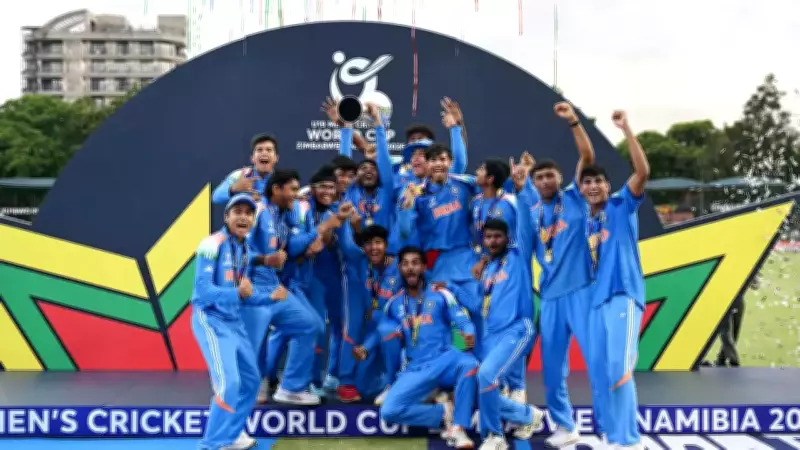
As dusk enveloped Harare on Friday, the scoreboard delivered a decisive verdict. India's formidable total of 411/9 proved insurmountable, leaving England 100 runs short and securing a record sixth U-19 World Cup title for India. The final was a spectacle of batting prowess, amassing 722 runs and showcasing two monumental centuries that captivated cricket fans worldwide.
A New Generation Emerges Victorious
With the shadows of the stumps lengthening, a group of young boys transformed into men, not through celebratory fanfare but through the sober realization that their cricketing journey now demands greater challenges. This victory was sealed with a blend of nerve and verve, echoing a familiar tune of Indian dominance played with fresh conviction.
Vaibhav Sooryavanshi's Historic Innings
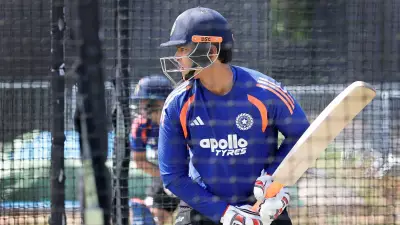
At the heart of India's epochal triumph stood 14-year-old opener Vaibhav Sooryavanshi, whose calm demeanor belied the ferocity of his batting. His knock of 175 off just 80 deliveries did not merely illuminate the final; it dismantled England's bowling attack with brutal efficiency. This innings, characterized by its staggering power and precision, is destined to be remembered for generations.

Sooryavanshi's assault included 15 fours and 15 sixes, with a remarkable 150 of his runs coming from boundaries—a record emphatically stamped at the youth ODI level. Every strike seemed to make a statement, announcing his arrival on the global stage. His score is now the highest individual total in a U-19 World Cup final or any knockout match in Youth ODIs, a trivial footnote on a day dominated by sheer talent.
Team Contributions and England's Valiant Effort
Captain Ayush Mhatre provided crucial support with a steady 53 off 51 balls, forming a 142-run second-wicket partnership with Sooryavanshi. Vihaan Malhotra (30) and Abhigyan Kundu (40) added valuable runs, while Kanishk Chouhan's explosive 35 in the final three overs propelled India past the 400-run mark.
England, however, refused to surrender meekly. Opener Ben Dawkins set an early aggressive tone with a fluent 66, but the team struggled to keep pace with the required rate. When wickets tumbled, reducing England to 177/7, Caleb Falconer emerged as a beacon of defiance. His inventive 115 off 67 balls, featuring reverse-sweeps, cuts, pulls, and scoops, briefly unsettled India and injected hope into the English camp. Despite Falconer's heroics, the target of 412 proved too daunting, and England fell short.
Leadership and Legacy
Captain Ayush Mhatre exemplified leadership by focusing on practical guidance rather than grand speeches, holding the team together with authority. Reflecting on the victory, he expressed awe at Sooryavanshi's performance, stating, "We have no words for his innings. We know he is a fabulous batter, and he's shown in this match what he can do. We just wanted to carry forward the legacy. Rohit Sharma won the World Cup, Harmanpreet also, and now we have won it."
In Harare, under skies that have witnessed countless cricketing ambitions, India's latest cohort of young cricketers announced their arrival with emphatic force. By sundown, another ICC trophy was secured, and Vaibhav Sooryavanshi had crafted a profound coming-of-age story, written not in words but in a flurry of sixes that will echo through cricketing history.