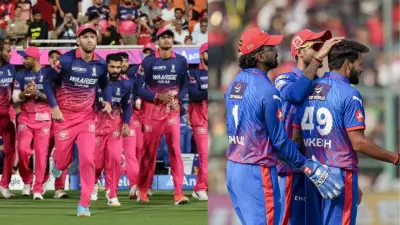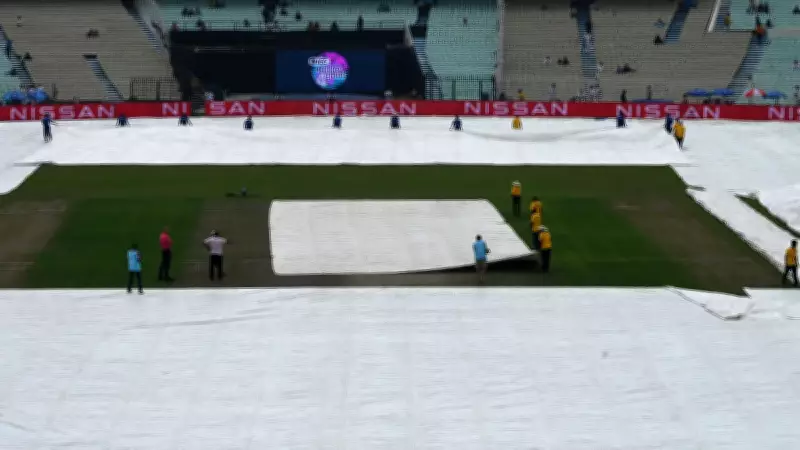
Rain Clouds Gather Over Crucial T20 World Cup Clash
The highly anticipated India vs West Indies match in the T20 World Cup is under a significant threat of being washed out due to persistent rain forecasts. This Super 8 stage encounter, scheduled for a prime-time slot, could see its outcome determined by weather rather than on-field performance, raising questions among fans and teams alike about the implications for the tournament standings.
Understanding ICC's Rain Rules and Reserve Day Protocols
According to the International Cricket Council (ICC) regulations for the T20 World Cup, specific protocols are in place to handle rain-affected matches. Each Super 8 match has a reserve day allocated to ensure completion if weather disrupts play on the original date. The match officials will attempt to achieve a minimum of 5 overs per side to constitute a result, with Duckworth-Lewis-Stern (DLS) method applied for interrupted games.
If the match is completely washed out without a ball bowled on both the scheduled day and reserve day, the points will be shared equally between India and West Indies. Each team would receive one point, which could dramatically impact the group dynamics, especially in a tightly contested Super 8 phase where net run rate often becomes decisive.

Potential Scenarios and Impact on Super 8 Standings
The outcome of this match holds considerable weight for both teams' progression hopes. A washout leading to a shared point scenario might benefit one team over the other depending on their current positions and remaining fixtures. For instance, if India has a stronger net run rate, a point could solidify their top spot, whereas West Indies might find it harder to qualify if they needed a win.
Historical data shows that rain-affected matches in ICC tournaments have occasionally led to controversial eliminations, emphasizing the importance of clear weather for fair competition.In case of a partial match where at least 5 overs are bowled per side, the DLS method will recalculate targets, potentially leading to an abbreviated but decisive result. This adds an element of strategic complexity, as teams must adapt quickly to changing conditions and revised scoring requirements.
Logistical Challenges and Fan Disappointment
Beyond the sporting implications, a washout poses logistical headaches for organizers, broadcasters, and fans who have invested time and resources. Ticket refunds, rescheduling of travel plans, and broadcast slot adjustments become immediate concerns. The ICC typically has contingency plans, but last-minute changes can disrupt the tournament flow.
- Weather Monitoring: Advanced meteorological tools are used to predict rain windows, allowing for proactive decisions.
- Ground Staff Preparedness: Efficient drainage systems and covers are deployed to minimize delays.
- Communication Protocols: Updates are relayed to stakeholders through official channels to manage expectations.
As the match day approaches, all eyes will be on the sky, with hopes that the weather clears to allow a full contest between two cricketing giants. The ICC's rules provide a framework, but nothing replaces the thrill of a completed match in determining true cricketing prowess.