One Hand in Rituals, One Eye on Cricket: How Indian Families Live the U-19 World Cup Final
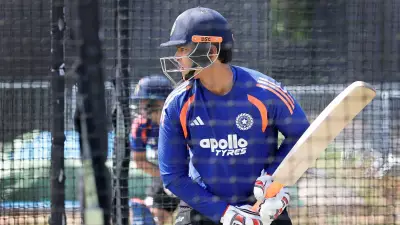
In a poignant reflection of modern India, families of young cricketers are navigating a delicate balance between sacred traditions and sporting glory as the Under-19 World Cup final unfolds in Zimbabwe. For Yogesh Mhatre, father of Indian captain Ayush Mhatre, Friday evening presents a unique challenge—being physically present at his nephew's mundan ceremony in Virar while mentally tracking his son's performance thousands of miles away.
The Sacred and the Sporting Collide
"We have a program at home, a one-time occasion—my nephew's mundan ceremony," Yogesh explains, his voice tinged with the strain of competing devotions. "As an uncle, I have an important role to play. So one hand will be performing the rituals, the other keeping an eye on the scores. The phone will be charged and ready." This juggling act symbolizes a broader national moment where cricket fever intersects with family obligations and cultural rites.
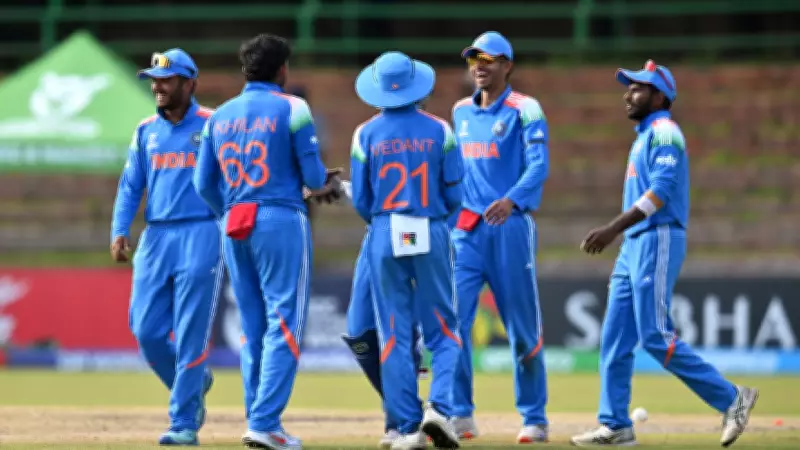
India enters the final against England carrying immense expectation as favorites, having reached their sixth consecutive U-19 World Cup final. The pressure is palpable, yet families remain grounded in everyday concerns. After India's semifinal victory, Ayush Mhatre's late-night video call home saw over 45 family members gathered around screens, their faces illuminated in the dark. Rather than dissecting tactics, they asked the timeless Indian question: "Did you eat?"

Beyond Cricket: Exams, Food, and Family Worries
In Navi Mumbai, the Kundu household exemplifies this pragmatic approach. When parents of wicketkeeper-batsman Abhigyan Kundu called him after training, the conversation quickly shifted from cricket to academics. "We talked about his day, about how well the team played," says Abhishek Kundu, Abhigyan's father and a Tata Consultancy Services employee. "But we also asked if he's had time to study. We discussed whether he should appear for his 12th-grade board exams on February 10th or consider open university later."
This quintessentially Indian dialogue highlights the simultaneous pull of ambition and pragmatism. While cricket offers a potential career path, education remains the foundational priority for many families. Yogesh Mhatre notes that cricket talk rarely dominates their conversations with Ayush. Instead, they focus on wellbeing, with relief coming from learning that an Indian family in Zimbabwe delivers home-cooked food to the team hotel.
The Weight of Expectations and Family Pride
Ayush Mhatre's half-century in the semifinal has eased some doubts, though his father carefully manages expectations. "People are expecting him to perform, but he's the kind of player who will leave an impact somewhere—be it with the ball, in the field, or with the bat," Yogesh says with paternal pride. "For him, the team always comes first." This sentiment reflects both support and protection against the crushing specificity of sporting pressure.
Both families understand the tournament's significance as an audition for future opportunities. Success here can open doors, while setbacks make the journey steeper. Abhishek Kundu observes how his son's visibility has unexpectedly reshaped social connections. "So many people are reconnecting, especially old friends we'd fallen out of touch with," he shares. "His name is appearing in articles, on scoreboards. At the office, in the neighborhood, they're calling me 'Abhigyan's father' now." Yet he adds the characteristic parental caveat: "But I feel this is nothing. He has a long way to go."
A Night of Dual Devotions
As Friday progresses, Yogesh Mhatre will participate in the mundan ceremony's ancient rhythms—prayers, shaved heads, and blessings for new beginnings. Between rituals, he'll glance at his phone, watching score updates and hoping his son's own new chapter unfolds successfully in Zimbabwe. This image captures something essential about contemporary India: the beautiful, impossible balancing act of being present for both immediate life and distant dreams.

The final against England will bring sporting intensity, but in Virar and Navi Mumbai, families focus on what matters most—ensuring their sons eat well, sleep enough, and manage academic responsibilities. The cricket, they trust, will take care of itself. In these households, triumph isn't measured solely by trophies but by maintaining equilibrium between tradition, education, and sporting passion—a truly Indian victory regardless of the match outcome.