India's Historic T20 World Cup Triumph Powered by Record-Breaking Start
In a high-stakes final at the Narendra Modi Stadium in Ahmedabad, India delivered a masterclass in aggressive cricket to claim the T20 World Cup title, defeating New Zealand by a commanding margin. The foundation for this historic victory was laid during an explosive Powerplay that rewrote the tournament record books.
New Zealand's Puzzling Tactical Decisions
Winning the toss on what appeared to be a flat batting surface, New Zealand captain Kane Williamson made the surprising decision to field first. This choice raised eyebrows among cricket analysts, particularly given the favorable conditions for batting. Even more perplexing was New Zealand's team selection, which saw them omit off-spinner Cole McConchie despite India's left-handed top order having demonstrated vulnerability against off-spin bowling throughout the tournament.
India's Record-Shattering Powerplay Onslaught
India's opening pair of Abhishek Sharma and Sanju Samson immediately capitalized on New Zealand's decision to bowl first, launching a breathtaking assault on the Kiwi pace attack. The carnage began in the fourth over when Sharma hammered Lockie Ferguson for 24 runs, followed by 21 runs off Matt Henry in the fifth over, and 20 runs off Jacob Duffy in the sixth.

This relentless batting display resulted in a staggering 92-run Powerplay – the highest ever recorded in T20 World Cup history. The explosive start completely shifted the momentum in India's favor and set an intimidating platform for the middle order to build upon.
Abhishek Sharma's Redemption on the Biggest Stage
After an inconsistent tournament performance, Abhishek Sharma chose the perfect moment to rediscover his form. On cricket's grandest stage, the left-hander produced fearless strokeplay, racing to a tournament-fastest fifty off just 18 balls. His explosive innings provided the early impetus that ultimately proved decisive in the final outcome.
New Zealand's Missed Opportunities
New Zealand's tactical missteps continued during India's innings. Off-spinner Glenn Phillips bowled a tidy opening over, conceding just five runs and showing excellent control. Surprisingly, captain Williamson never brought Phillips back into the attack despite his economical start, a decision that allowed India's batters to target other bowlers with greater freedom.
The finishing touches to India's innings came from Shivam Dube, who unleashed a stunning late assault in the final over against Jimmy Neesham. Dube's brutal hitting yielded 24 crucial runs, transforming an already-daunting total into an overwhelming one that placed immense pressure on New Zealand's chase.
India's Bowling Excellence Seals the Victory
Defending their massive total, India's bowlers maintained the pressure from the very beginning. Left-arm spinner Axar Patel and pace spearhead Jasprit Bumrah dismantled New Zealand's top order during the Powerplay, claiming crucial early wickets that shattered any hopes of a successful chase.
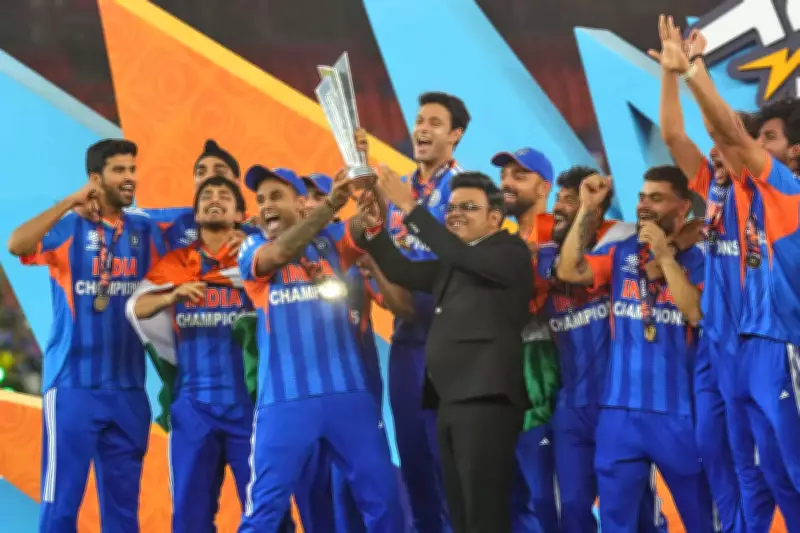
These early breakthroughs ensured New Zealand could never build the necessary momentum or partnerships required to challenge India's formidable total. The comprehensive victory sparked wild celebrations among the capacity crowd in Ahmedabad, with Indian fans witnessing their team create history on home soil.
Strategic Analysis of the Final
Cricket experts have highlighted several key factors that contributed to India's dominant performance. The decision to bat first on a flat pitch proved correct, allowing India's powerful batting lineup to set an imposing target. New Zealand's failure to utilize their spin resources effectively, particularly against India's left-handed batters, represented a significant tactical error.
India's balanced attack, featuring both pace and spin options, executed their plans with precision throughout the match. The team's fielding remained sharp under pressure, supporting the bowlers in maintaining control during New Zealand's innings.

This victory marks India's second T20 World Cup title and reinforces their status as a global powerhouse in the shortest format of the game. The record-breaking Powerplay performance will be remembered as one of the most dominant starts in tournament history, setting the tone for a comprehensive victory that delighted the home crowd and cemented India's cricketing legacy.