Unprecedented Calm Surrounds India's T20 World Cup Campaign
For the first time in recent memory, India approaches a major cricket tournament on home soil without the customary buzz and hype. As the T20 World Cup kicks off, the nation's cricket-crazed fans appear unusually subdued and distracted, creating an unexpected atmosphere of calm around the Indian team.
A Missing Frenzy That Players Notice
Less than 24 hours before the tournament's opening match, a senior Indian player privately questioned a reporter about the noticeable absence of pre-tournament excitement. "Is it just me or ... the buzz is missing this time, isn't it?" This quiet inquiry reflects what has become evident across the country - an unprecedented lack of frenzy surrounding what should be a highly anticipated home World Cup.
Ironically, India enters this tournament as the clear favorite to win, yet both players and fans seem to be missing the typical pre-tournament hype that has characterized previous campaigns. This absence of overwhelming pressure represents a significant departure from India's usual approach to hosting major cricket events.

Fragmented Fan Attention Shifts Focus
The Indian cricket fanbase, typically united in their passion for the national team, has become fragmented and distracted by multiple external factors. Political developments, administrative controversies involving cricket boards, and intense selection debates have crowded the collective consciousness of cricket followers.
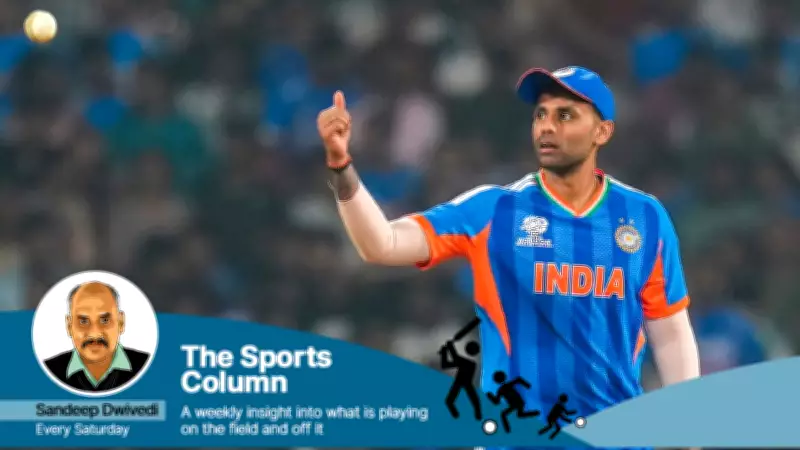
Names like Mustafizur Rahman, Shah Rukh Khan, Mohsin Naqvi, Shahbaz Sharif, Jay Shah, and discussions about various cricket boards have dominated conversations for months. These distractions have pushed captain Suryakumar Yadav and his squad of proven match-winners to the margins of public discourse, creating a new psychological space for both players and supporters.
Historical Context of Indian World Cup Frenzy
This current indifference marks a shocking departure from historical patterns. Since India first secured hosting rights for the 1987 World Cup, the nation has consistently whipped up extraordinary frenzy around major tournaments. The country has traditionally embraced these events with unreasonable parochialism, justifiable patriotism, and overwhelming sentimentality.
In 1987, when India co-hosted with Pakistan for the first World Cup outside England, the excitement reached fever pitch. The images of Kapil Dev lifting the 1983 trophy remained fresh in public memory, and fans desperately wanted to witness similar glory from the stands. That tournament saw both host nations reach the semi-finals, with dreams of an India-Pakistan final capturing the imagination of millions.
The Evolution of Indian World Cup Emotions
The 1996 World Cup, co-hosted by India, Pakistan, and Sri Lanka, introduced a different emotional dynamic. This tournament became defined by Sachin Tendulkar's heroic efforts and the heartbreaking moment when Vinod Kambli broke down in tears after India's semi-final defeat. The nation's hopes rested almost entirely on Tendulkar's shoulders, establishing a pattern of emotional investment in individual players.
This pattern continued in 2011 when India won the World Cup on home soil. The entire tournament narrative centered around winning for Sachin Tendulkar, with players dedicating performances to the batting legend. Virat Sehwag scored centuries for Tendulkar, Yuvraj Singh played tournament-defining innings for Tendulkar, and MS Dhoni hit the championship-winning six for Tendulkar.
Recent Heartbreaks and Changing Expectations
The 2016 T20 World Cup in India saw Virat Kohli emerge as the emotional focal point, with the nation following his every boundary and single. His magnificent 89 in the semi-finals against West Indies seemed destined to carry India to victory until Lendl Simmons played a career-defining innings to shatter those dreams.
Similarly, in 2023, fans invested emotionally in Rohit Sharma's quest for redemption after his exclusion from the 2011 squad. Sharma appeared poised to win the tournament for himself until his crucial mishit found Travis Head's hands in the final.

Suryakumar Yadav's Different Leadership Context
Current captain Suryakumar Yadav operates in a distinctly different environment from his predecessors. Unlike Kapil Dev, Mohammad Azharuddin, MS Dhoni, Virat Kohli, or Rohit Sharma, Yadav doesn't carry the same weight of overwhelming national expectation on his shoulders. Despite India's impressive T20 record under his leadership, discussions have focused more on perceived shortcomings than acknowledged strengths.
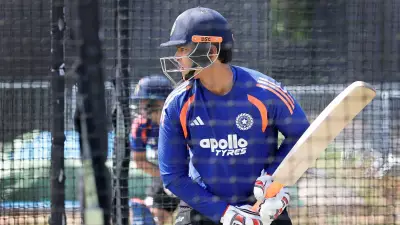
Debates about selection choices, particularly the Sanju Samson versus Ishan Kishan controversy, have generated more public traction than appreciation for the team's considerable depth. Additionally, coach Gautam Gambhir's polarizing personality and political associations have kept the team somewhat removed from the traditional hype machinery.
A New Psychological Space for Indian Cricket
This unusual calm represents a significant psychological shift for Indian cricket. The absence of overwhelming pressure might actually benefit the team, allowing players to focus on performance rather than managing external expectations. As the tournament progresses through initial group stages against less prominent opponents, traditional excitement may gradually build.
However, the current atmosphere marks a notable departure from India's typical approach to hosting major tournaments. The nation that has consistently generated unparalleled excitement for cricket events now finds itself in the unfamiliar position of approaching a home World Cup with measured calm rather than unbridled frenzy.
This development, while surprising to players accustomed to different environments, may ultimately create a healthier competitive atmosphere for the Indian team as they pursue T20 World Cup glory on home soil.